الجزیره فارسی
پایگاه خبری و تحلیلی
الجزیره فارسی
پایگاه خبری و تحلیلی 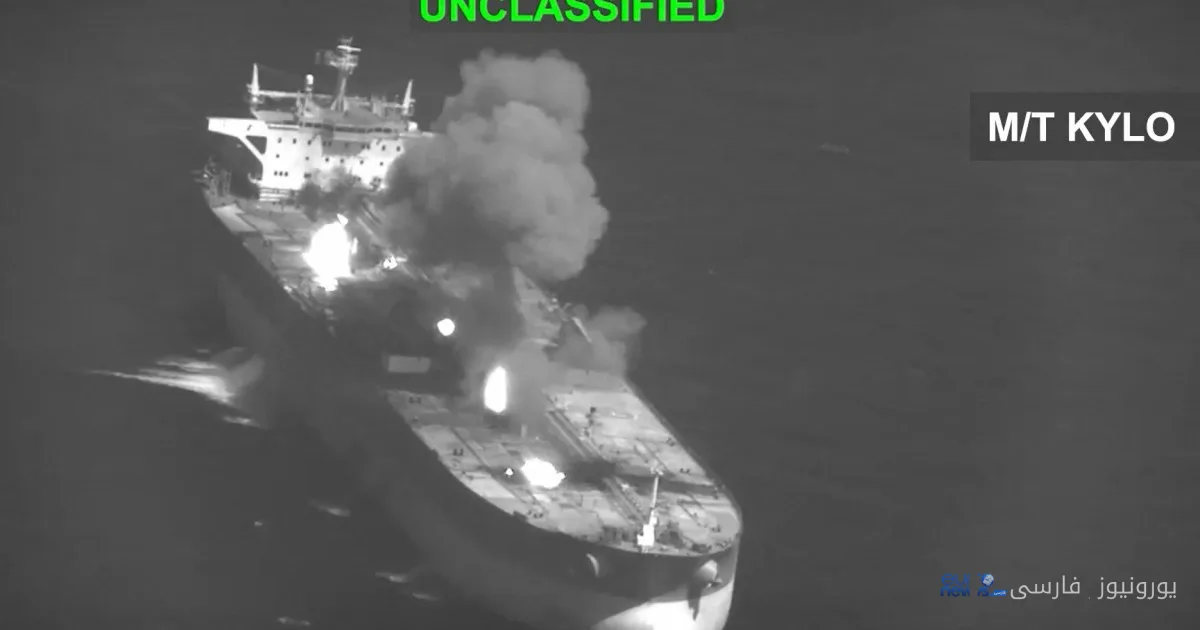
In the latest developments in the Persian Gulf, Iran and the United States are heavily exchanging attacks on oil tankers and ships in the sensitive areas of the Strait of Hormuz, the Persian Gulf, and the Sea of Oman. These tensions clearly indicate an escalation in hostilities in this strategic region, which could have significant impacts on the global oil market and maritime security.
Retaliatory Attacks and Their Consequences
According to received information, this exchange of fire follows actions that both sides claim are taken to protect their interests. Iran, as one of the largest oil producers in the world, has consistently stood against maritime threats, while the United States seeks to ensure freedom of navigation and prevent any disruption in oil exports from the Persian Gulf.
On the other hand, Israel is also looking to reassess its strategies in southern Lebanon. Following the increase in tensions in this area, analysts believe that Israel may be seeking new military maneuvers to counter potential threats from Hezbollah and other resistance groups in the region.
Security Challenges in the Middle East
These new developments not only affect maritime security but may also impact diplomatic relations among countries in the region. While Iran and the U.S. each blame the other for these attacks, many questions arise regarding the consequences of these conflicts for regional stability and global security.
Given these circumstances, we may witness an increase in tensions and further conflicts in the near future. It seems that the only sustainable solution to this crisis is dialogue and diplomacy, but is this feasible?