الجزیره فارسی
خبرگزاری
الجزیره فارسی
خبرگزاری 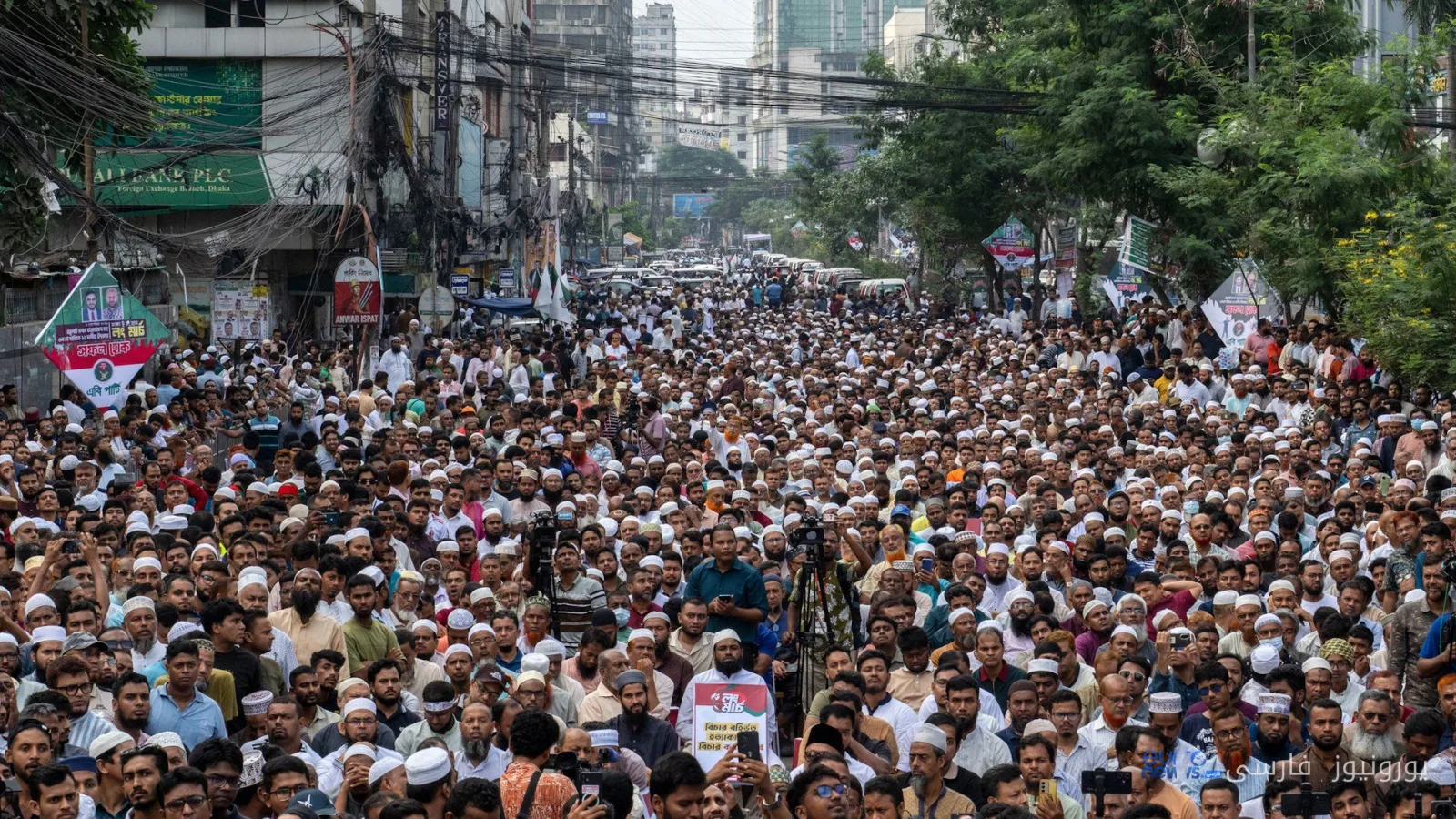
Bangladesh, as one of the most populous and developing countries, is currently experiencing widespread protests following the increase in the cost of living. In recent days, thousands of people from this country have taken to the streets to voice their concerns against the economic policies of the new government. These protests, led specifically by the new Prime Minister, Tariq Rahman, reflect public dissatisfaction with the current economic situation.
Reasons for the Protests
The people of Bangladesh are deeply concerned about the rising prices of food, fuel, and other essential goods. Many families are struggling to meet their daily expenses with low incomes, and this difficult living situation has fueled discontent. In this context, protesters are calling for immediate government action to control prices and improve the economic situation.
These protests, which have taken place in several major cities in Bangladesh including Dhaka and Chittagong, have gradually become one of the biggest challenges for the new government. Analysts believe that this discontent could lead to a deeper political crisis, especially if the government fails to respond to the people's demands.
Political Consequences
The Tariq Rahman government must consider that ignoring these protests could lead to a decline in its popularity and credibility. Given Bangladesh's history and past experiences, public protests can quickly escalate into broader social movements that impact not only domestic policies but also the country's international relations.
Ultimately, Bangladesh is on the brink of a significant change, and the government's response to this crisis could determine the future political and economic fate of the country. The people are now waiting to see whether the government will be able to manage this discontent or not.