الجزیره فارسی
روایت خاورمیانه
الجزیره فارسی
روایت خاورمیانه 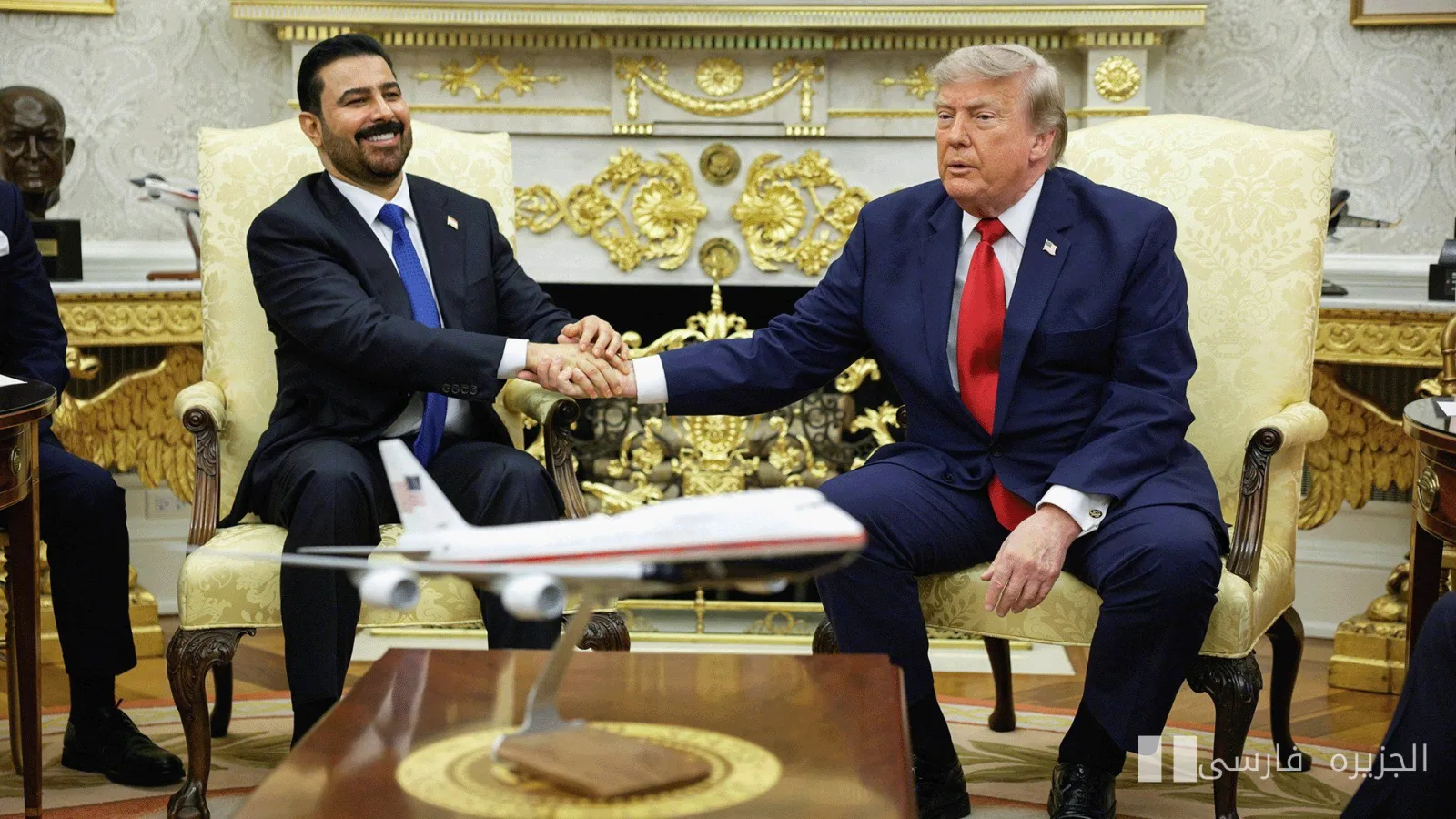
Iraq is on the verge of the end of the U.S. military presence. Iraqi officials perceive this development as a reclaiming of national sovereignty, but the complex regional and domestic realities will face serious challenges.
Security Questions in the Post-Withdrawal Era
With the withdrawal of U.S. forces, concerns about the security of Iraqi airspace and the necessity to confront regional threats are heightened. Will the Iraqi government be able to manage these challenges? Armed groups and militias in the country, especially those with ties to Iran, may react to this situation in an effort to strengthen their influence.
Moreover, the future of Iraq's relations with other countries is also shrouded in ambiguity. Will Baghdad be able to establish balanced relations with major powers, or will it fall into new dependencies?
Domestic and Regional Challenges
Recent developments in Iraq could lead to internal tensions and an increase in conflicts. Various political groups in Iraq are trying to exploit this opportunity to their advantage. Meanwhile, the continued military and political activities of militia groups could further fuel instability.
On the other hand, external threats will also remain. Iraq must confront challenges arising from terrorist activities and border tensions with neighboring countries. Does the Iraqi government have a plan to address these challenges?
Ultimately, the withdrawal of U.S. forces from Iraq is not only a turning point in the history of this country, but it could also mark the beginning of fundamental changes in the region's security and political equations. This development, while signifying the end of a chapter, may simultaneously open a window to new challenges.