الجزیره فارسی
روایت خاورمیانه
الجزیره فارسی
روایت خاورمیانه 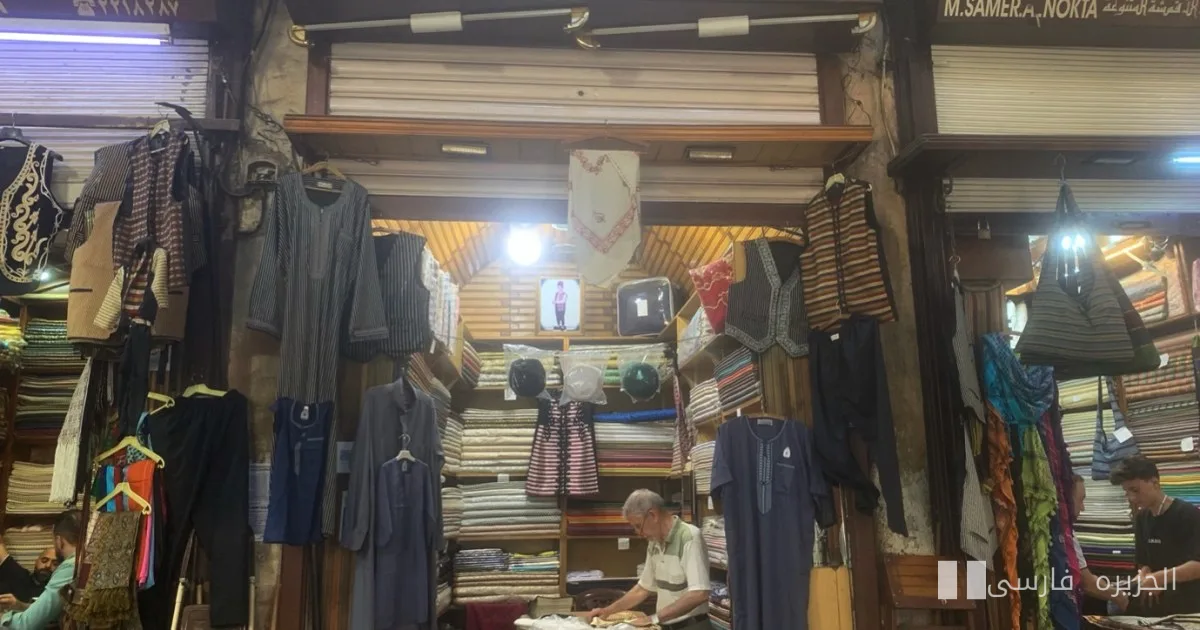
Damascene fabrics, with their rich history and deep connection to the cultural identity of this city, once played a significant role in the daily lives of residents and visitors. However, it now seems that these fabrics, which were considered symbols of beauty and craftsmanship, have gradually faded from people's tastes and shopping baskets. What could be the reasons for this sudden change?
Social and Economic Impacts
In recent years, social and economic changes in Damascus and, more broadly, in Syria, have had a significant impact on the Damascene fabric industry. War and unrest have caused many traditional crafts and small industries that relied on artistic skills to struggle for survival. In this context, Damascene fabrics, once showcased in markets, have been forgotten and replaced by cheaper, industrial products.
Changes in Tastes and Priorities
In addition to economic issues, changes in people's tastes and priorities have also contributed to this crisis. Today's youth are in search of fashion and new products, and they are less inclined to pursue traditional and authentic arts. This has not only affected the buying and selling of Damascene fabrics but has also diminished their value and importance in the cultural identity of the city.
Given these developments, the main question is whether these fabrics can be brought back to the scene? Is there a possibility of reviving the art and industry of Damascene weaving? It seems that serious efforts and collaboration among artists, the government, and the community are needed to save this cultural heritage.