الجزیره فارسی
پایگاه خبری و تحلیلی
الجزیره فارسی
پایگاه خبری و تحلیلی 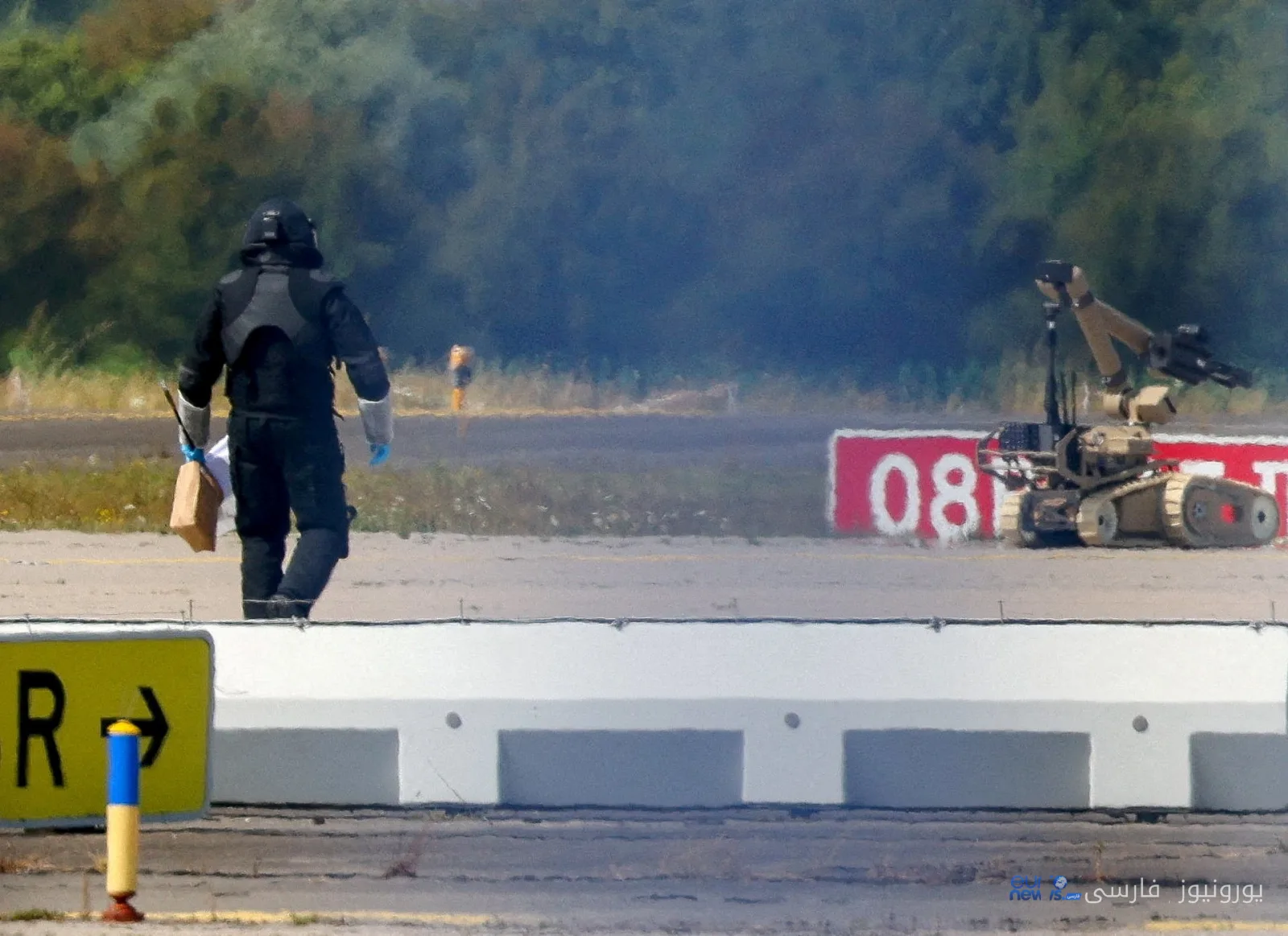
The recent attack on the city of Leipzig in Germany has raised serious concerns about Europe's security and its relations with Russia. This attack, which is considered a hegemonic act, could exacerbate the current tensions between Moscow and Berlin and steer public opinion towards questions about the security of infrastructure and Europe's defensive capabilities.
Possible Impacts on Europe's Security
Reports indicate that this attack may be seen as a turning point in the defensive strategies of Germany and other European countries. As these countries seek to enhance their cybersecurity and intelligence capabilities, the need for greater cooperation and coordination among European nations is felt. Particularly, Germany, recognized as an economic and political power in Europe, must take serious actions to counter potential threats.
This attack could put more pressure on Berlin to strengthen its security and intelligence systems and prioritize responses to cyber threats. In this regard, it is expected that the German government, along with other European countries, will adopt a coordinated and joint approach to address threats from Russia.
Tensions between Moscow and Berlin
If assessments and criticisms of Russia remain strong, this country may be recognized as a more serious and active adversary in the international arena. This could lead to heightened tensions and increased confrontation between European countries and Russia.
Ultimately, what is clear is that the attack on Leipzig could be seen as a serious wake-up call for Europe's security and necessitate serious and coordinated actions. With the rise of cyber threats, European countries must be prepared to respond effectively to new challenges.