الجزیره فارسی
روایت خاورمیانه
الجزیره فارسی
روایت خاورمیانه 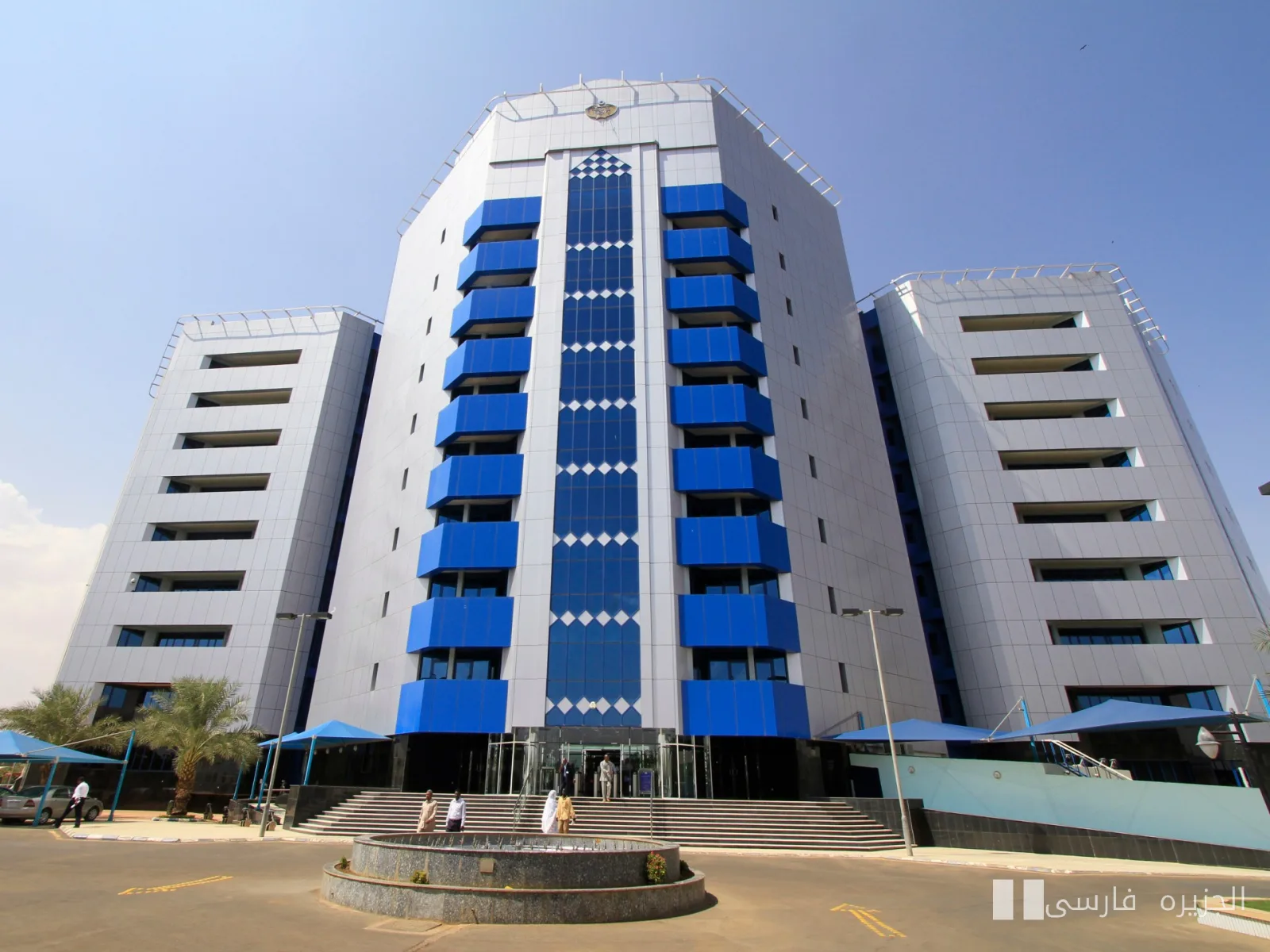
While war and inflation have severely impacted Sudan's economy, the banks in this country are in a critical situation. The depletion of banking assets and the inability to meet financial needs have prompted officials to think of solutions. This situation has forced the Central Bank of Sudan to reconsider its financial structure, and it currently seems that increasing capital, merging, or even liquidating banks are options that are seriously on the agenda.
Challenges Facing Banks
Given that banks are currently facing serious problems in financing and maintaining their assets, the question arises whether merging banks could help strengthen the financial system? Sudanese economic officials believe that merging could lead to cost reductions and increased efficiency, but at the same time, the social and economic repercussions must also be considered.
Moreover, reforms in the structure of the Central Bank have been proposed as another essential requirement. Some experts believe that the independence of the Central Bank should be strengthened so that it can more effectively confront the financial and economic challenges of the country. In this regard, some members of parliament have called for immediate reforms in the laws and regulations related to banking and bank supervision.
Uncertain Future
Ultimately, the future of Sudan's financial system is heavily dependent on current decisions. While some are optimistic about merging and improving the economic situation, others are concerned about the negative consequences of these changes. Can banks survive this crisis, or will they ultimately head towards dissolution? Only time will answer this question.