الجزیره فارسی
روایت خاورمیانه
الجزیره فارسی
روایت خاورمیانه 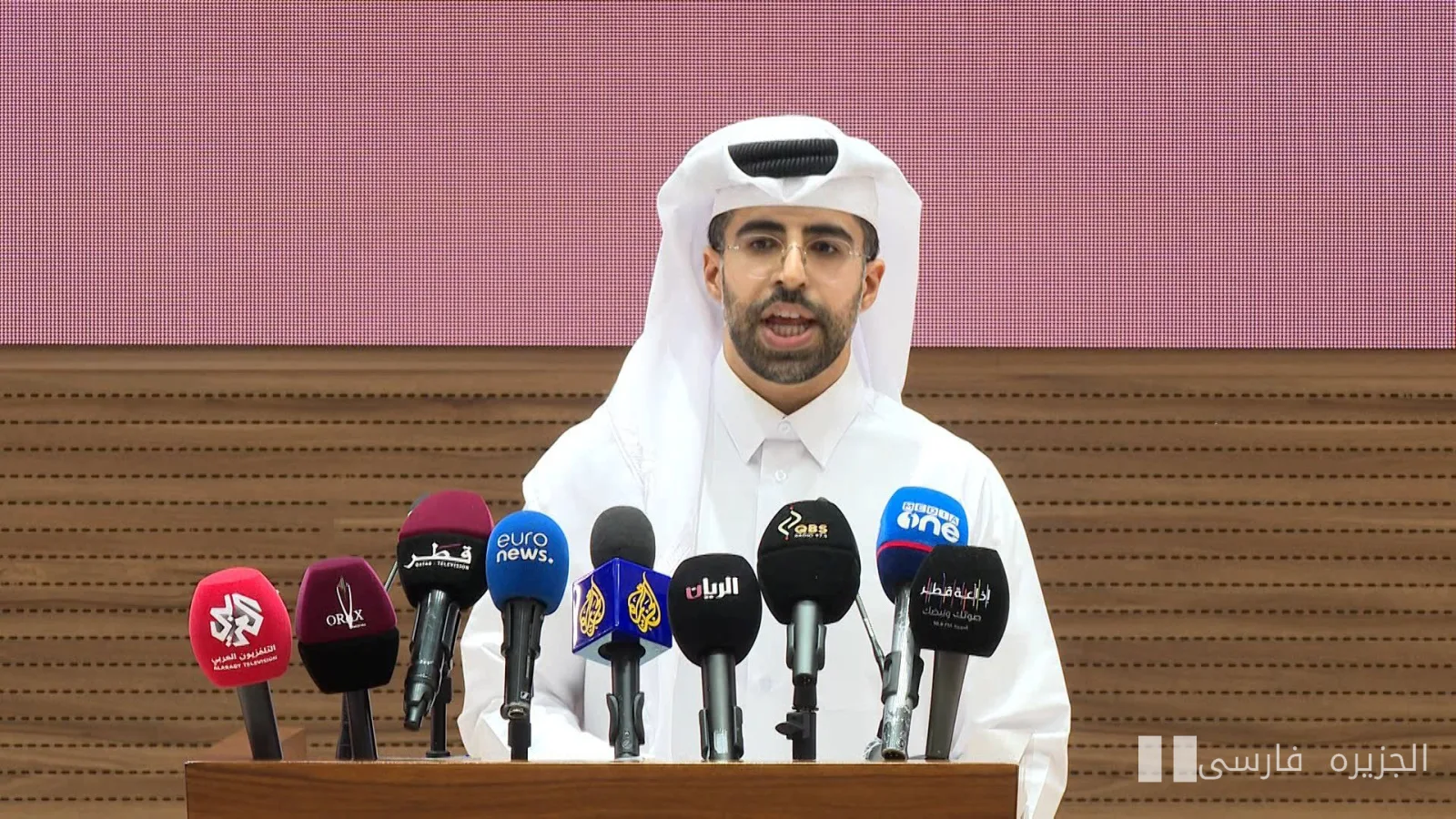
Qatar has responded to the recent statements of Benjamin Netanyahu, the Prime Minister of Israel, and strongly criticized his claim that the country is a 'hostile state'. These remarks come at a time when tensions in the Middle East have sharply increased, and Qatar, as a key player in the region, has consistently maintained its position against the accusations and claims made.
Defending National Positions
In response to these statements, Qatari officials emphasized their country's peaceful and diplomatic policies, stating that Qatar has always sought to create stability and security in the region. They stressed that such statements not only do not help improve the situation but also exacerbate tensions and undermine the atmosphere of cooperation.
Netanyahu's remarks come at a time when Qatar is recognized as the host of diplomatic negotiations among various Palestinian and Israeli groups. The country is striving to act as an effective mediator in resolving regional crises, and hostile accusations only damage its credibility and diplomatic efforts.
Regional Implications
Analysts believe that Netanyahu's statements and Qatar's reaction may indicate new developments in the relationships between countries in the region. While some countries are seeking to normalize relations with Israel, Qatar continues to emphasize its positions in support of Palestinian rights, which could lead to deeper rifts in regional policies.
Ultimately, these tensions could impact the future of relations between Qatar and Israel and lead to changes in diplomatic policies on a global scale. It seems that the existing crises in the Middle East will continue, and Qatar is seeking to preserve its national interests and stability in the region with its positions.