الجزیره فارسی
روایت خاورمیانه
الجزیره فارسی
روایت خاورمیانه 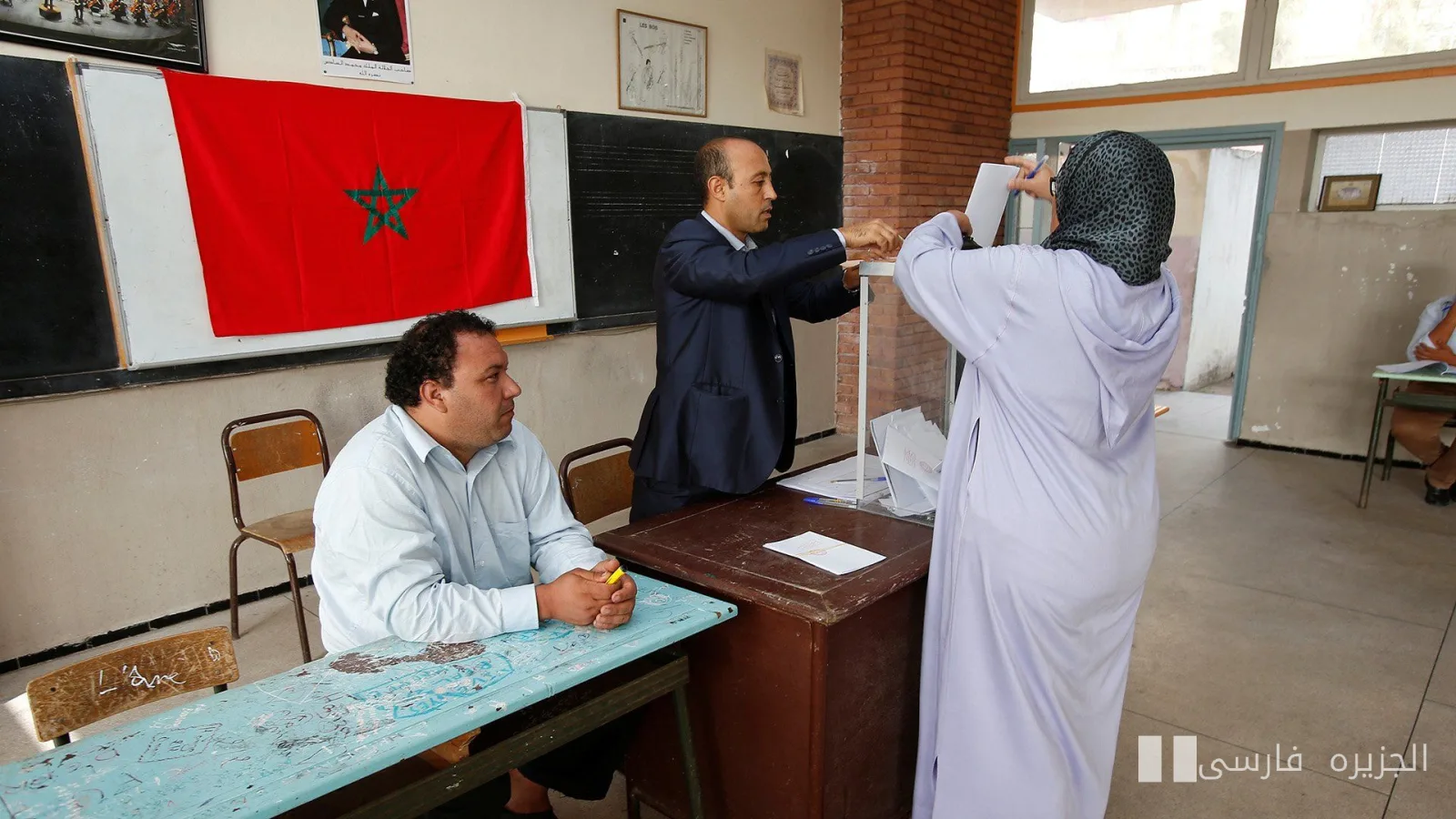
As the date of the parliamentary elections in Morocco approaches, political developments and changes among parties have significantly increased. During this period, we are witnessing widespread migrations of candidates to other parties, which in a way reflects the existing dissatisfaction within the political ranks of the country.
Return of Political Figures with New Colors
Prominent figures with a history of activity in various parties are now entering the field by changing their party affiliation. These changes are not only beneficial for them but could also have profound impacts on the political future of Morocco. This situation somewhat indicates a lack of stability in the country's political structures, which sometimes becomes so deep that some politicians are forced to change their political religion for personal or political reasons.
In the meantime, parties must grapple with new challenges. Can these changes lead to the strengthening of new parties, or will it ultimately weaken the political foundations of the country?
Social and Economic Impacts of Political Migrations
Changes in party composition affect not only politics but also the economy and society. Analysts believe that these migrations could lead to economic and social fluctuations. In a situation where people have become disillusioned with traditional parties, new choices may spark fresh hopes.
However, these migrations could lead to public distrust towards political representatives. Will people trust these changes, or will they continue to wait for a real transformation?
Ultimately, the upcoming elections are not only an opportunity for parties to express their power but also a test for politicians to show whether they can use these changes for the benefit of the people and the country or if they are merely pursuing personal interests.