الجزیره فارسی
روایت خاورمیانه
الجزیره فارسی
روایت خاورمیانه 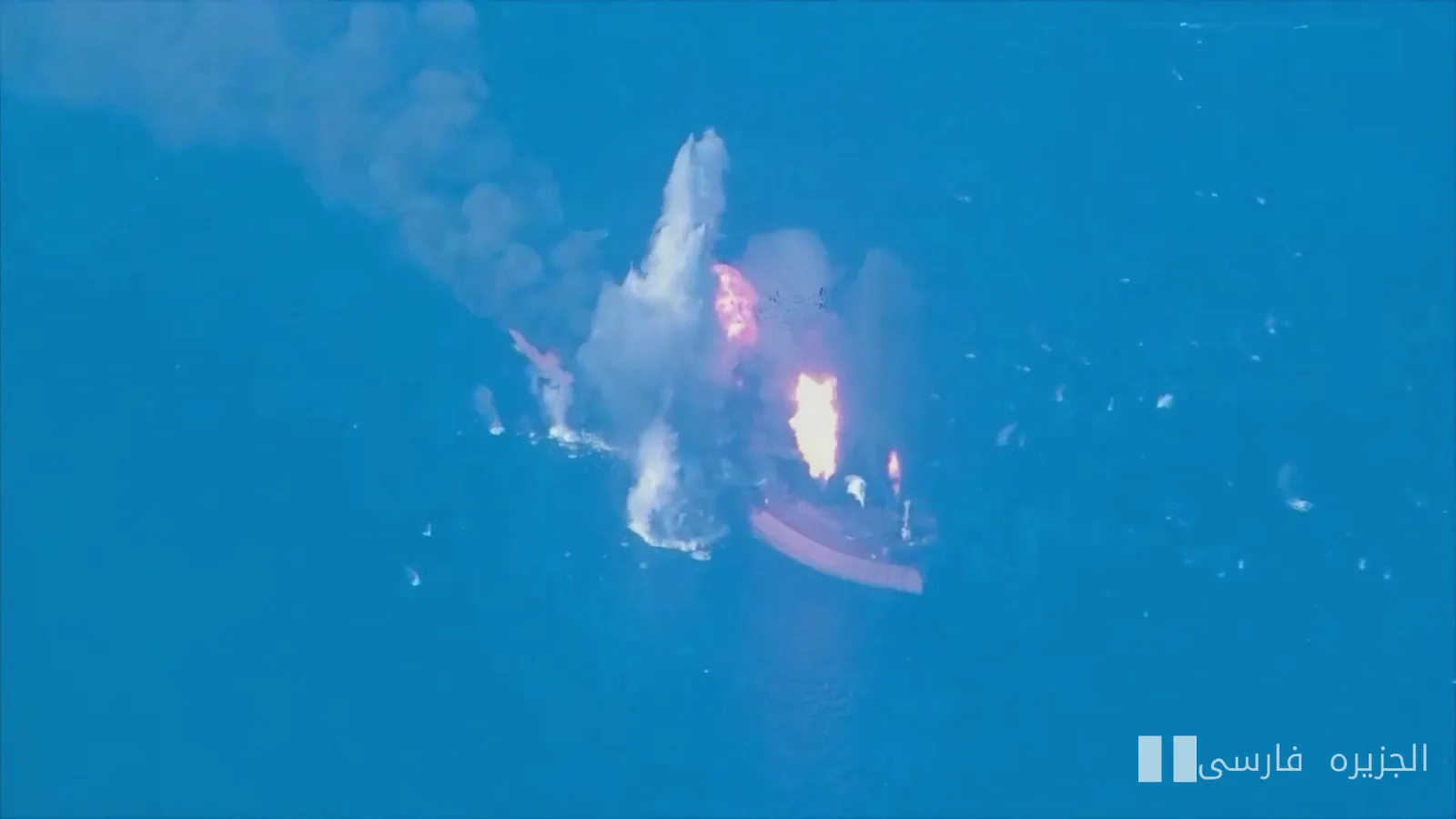
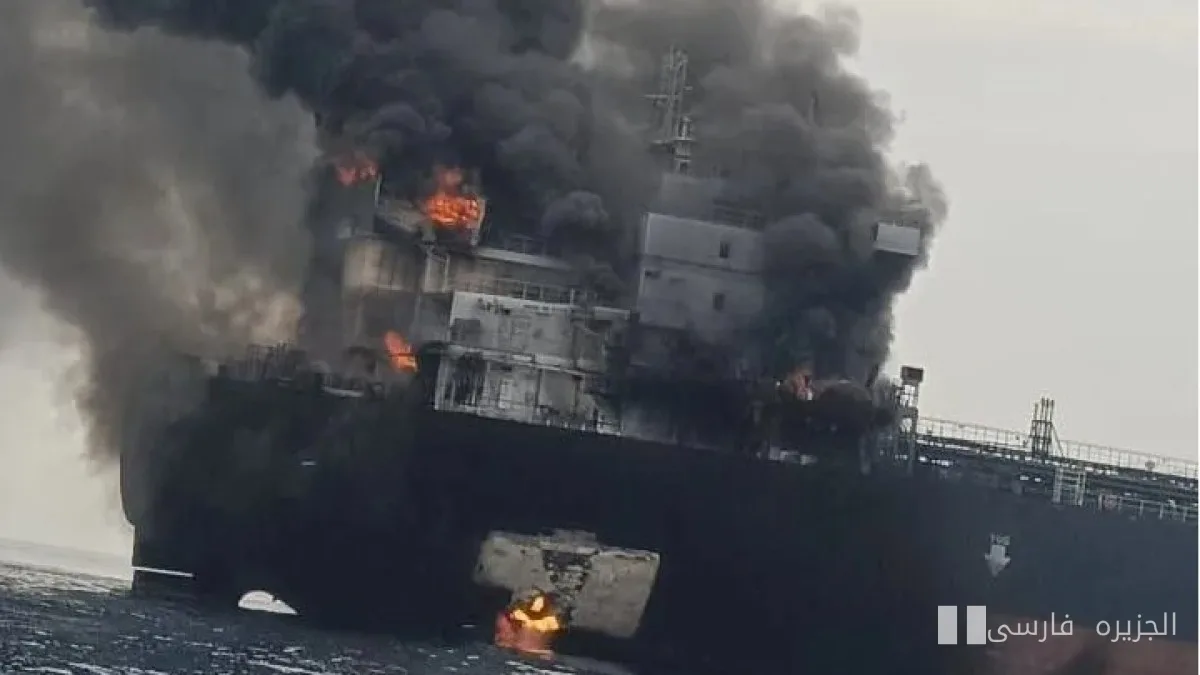
In the latest developments in the Persian Gulf, a new equation called "Naqleh be Naqleh" has emerged, indicating serious changes in the rules of maritime engagement between the United States and Iran. This equation signifies Washington's reciprocal response to Iran's maritime threats, now accompanied by precise attacks on this country's oil fleet.
Economic and Environmental Consequences
The United States, by choosing this method of response, aims to create an effective deterrence that not only prevents maritime security in this region but also imposes heavy economic and environmental costs on Iran. These actions will not only affect Iran's oil fleet but could also lead to environmental crises in the Persian Gulf, the consequences of which will extend beyond the borders of this country.
These maneuvers pose a serious threat to global energy security. Given that the Persian Gulf is considered one of the most important oil transport routes in the world, any disruption in this region could lead to rising oil prices and severe economic fluctuations in global markets.
Impacts on International Relations
With the continuation of these tensions, it is expected that relations between the United States and Iran will grow colder. This situation could escalate tensions in the Middle East and increase dissatisfaction among regional and international actors. While the United States seeks to protect its interests, Iran also seems to be using these tensions as an opportunity to strengthen its position against external pressures.
Ultimately, it remains to be seen whether this new equation can lead to a real change in Tehran's behaviors or whether it will result in an endless cycle of tensions and reactions. What is certain is that this situation will not only impact regional security but may also turn into a global crisis.