الجزیره فارسی
پایگاه خبری و تحلیلی
الجزیره فارسی
پایگاه خبری و تحلیلی 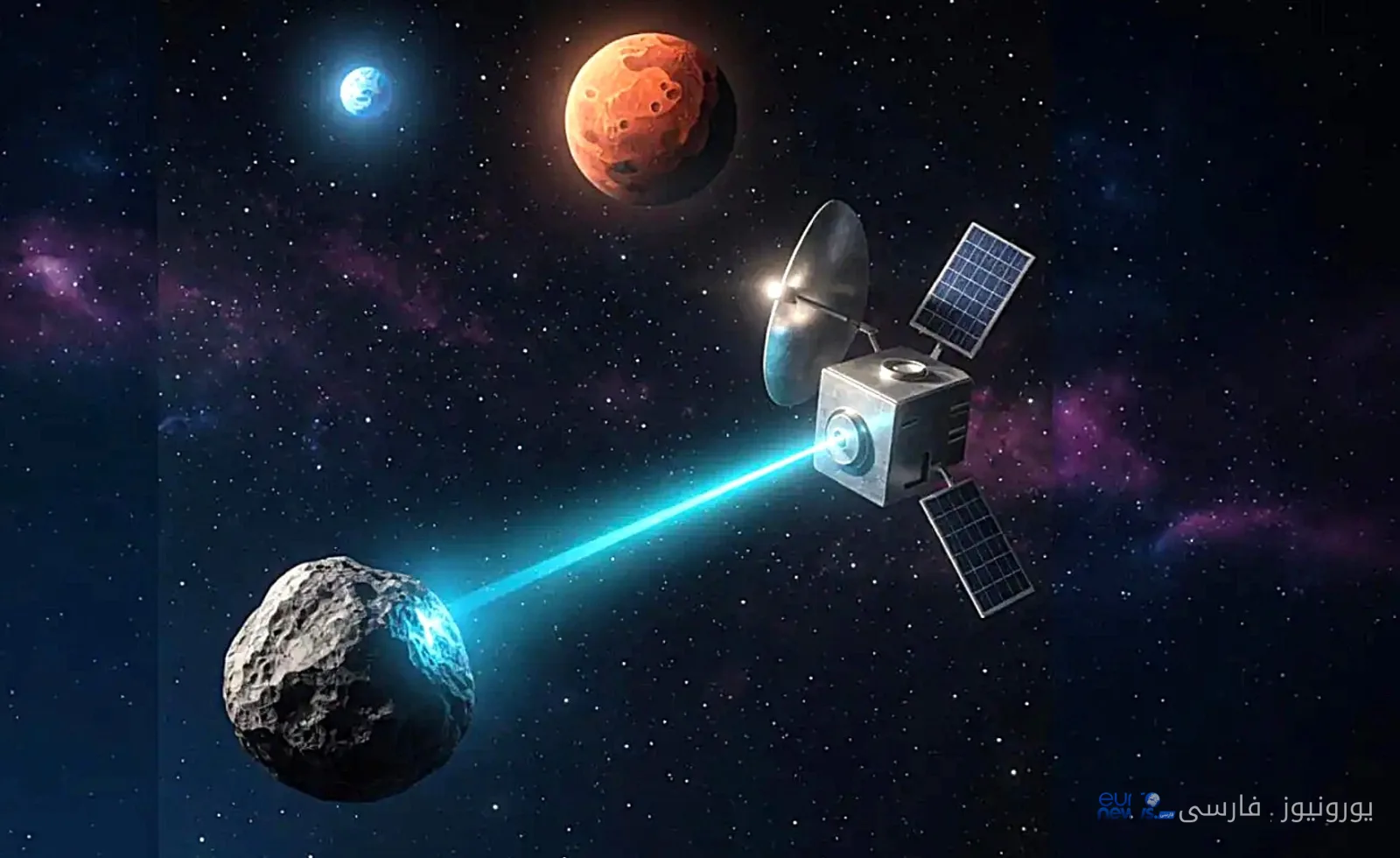
NASA, the United States space agency, is testing a small vehicle that appears to have the potential to revolutionize space exploration. This vehicle, using laser and spectrometry technology, is capable of identifying and examining mineral and water resources on moons and asteroids from great distances. This project is considered one of NASA's major promises for the future of space exploration.
What is the goal of these explorations?
This space outpost is specifically designed to study Phobos, one of Mars' moons, and other asteroids. The main goal of this project is to map the mineral and water resources of these celestial bodies before sending human missions to them. With this technology, scientists hope to use the information gathered for better and more precise planning for future journeys to these distant locations.
Examining mineral resources on moons and asteroids can be particularly valuable in the context of extracting natural resources and producing fuel for space travel. This information not only helps expand our knowledge in the field of cosmology but can also lead to the development of new technologies in the space sector.
Challenges and Opportunities
Despite the high potential of this space outpost, scientists face many challenges. One of the biggest challenges is sending this technology into space and ensuring its proper functioning in harsh space conditions. However, if this mission is successfully accomplished, it could open new horizons in space exploration and bring a brighter future for discovering space resources.
Ultimately, it should be noted that NASA, with this project, is striving to show that space exploration is not only about discovering the unknown but can also be about seeking resources that will one day aid human life on Earth and beyond.