الجزیره فارسی
روایت خاورمیانه
الجزیره فارسی
روایت خاورمیانه 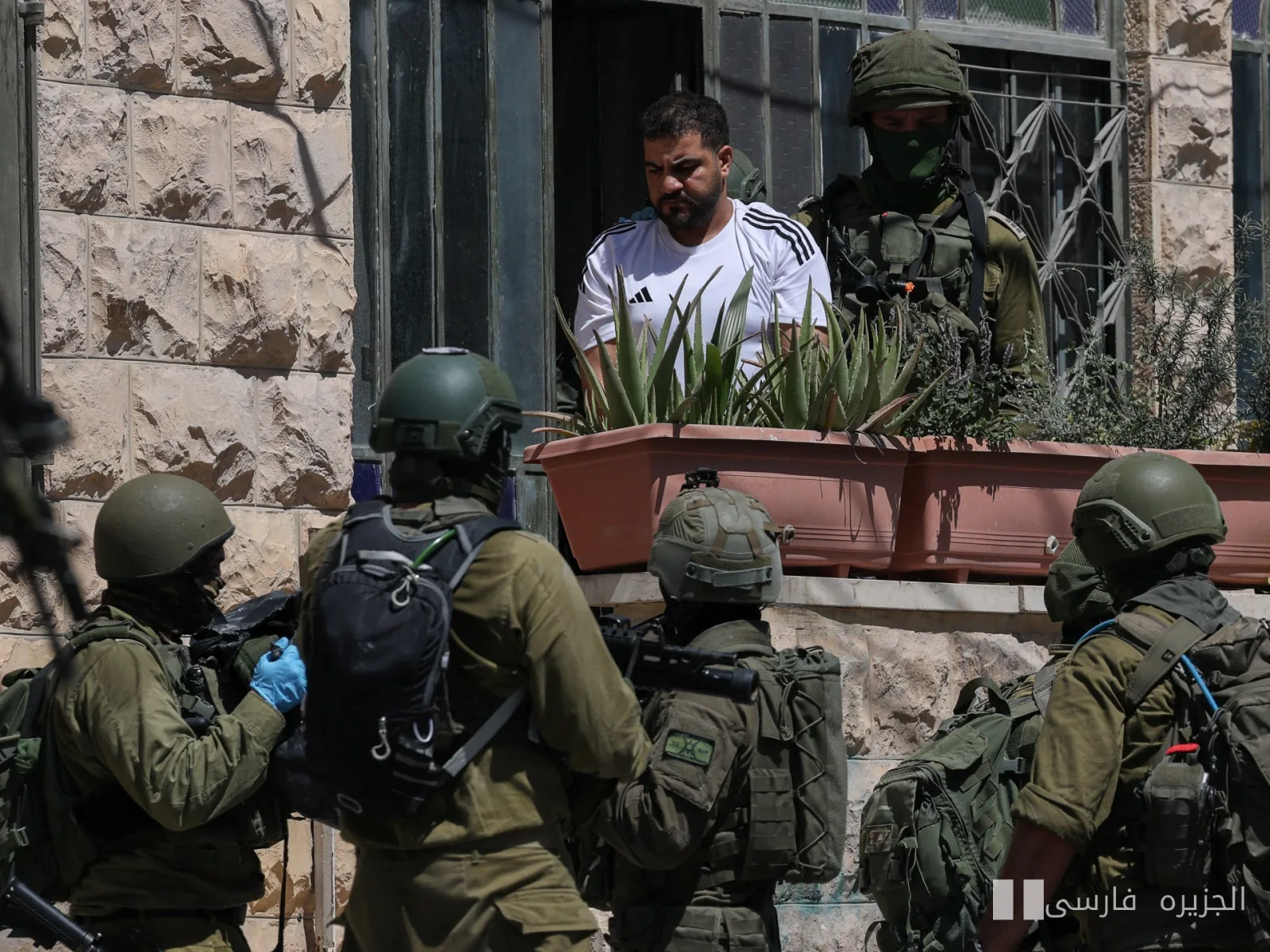
In a large military operation, Israeli occupying forces have stormed Shuafat Camp and the town of Anata in northeastern Jerusalem. This action, which was accompanied by bulldozers and heavy equipment, has raised significant concerns among the residents of these areas. It seems that these raids follow similar patterns observed in other Palestinian camps in the West Bank.
History of Raids and Their Impacts
Shuafat Camp, one of the densely populated Palestinian areas in Jerusalem, has always witnessed severe tensions between residents and occupying forces. However, the recent attacks on this area clearly indicate an escalation of Israel's military policies against Palestinians. Many analysts believe that these raids are not only aimed at gaining control over more land but also intended to instill fear and terror in the Palestinian community.
This military operation is particularly taking place at a time when tensions in the region have reached their peak and public dissatisfaction among Palestinians has increased. Residents of Shuafat and Anata, who have traditionally faced economic and social challenges, are now grappling with new military threats.
Possible Consequences
The recent raid may have serious repercussions for the peace process and stability in the region. Many observers believe that such actions could lead to increased violence and complicate conditions for future negotiations. Additionally, given international reactions and human rights support, these actions could exert more pressure on the Israeli government.
Ultimately, residents of these areas will face serious problems in their daily lives due to these raids. Concerns about the future of these areas and the possibility of further conflicts, especially under current conditions, are strongly felt.