الجزیره فارسی
پایگاه خبری و تحلیلی
الجزیره فارسی
پایگاه خبری و تحلیلی 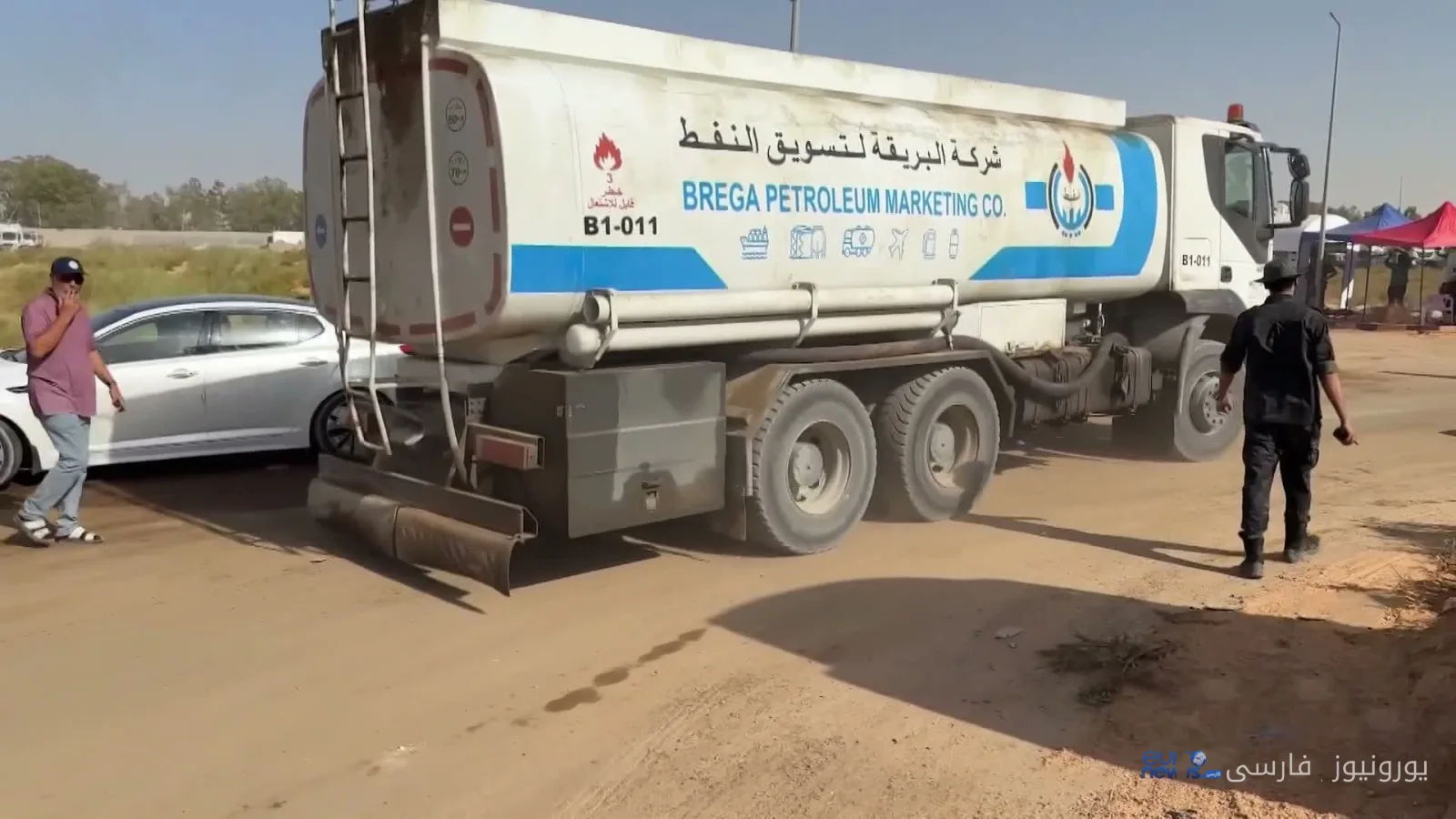
Libya, a country with unparalleled oil reserves, while possessing the largest oil reserves in the world, still finds itself in poor economic conditions. Despite its vast oil wealth, it seems that the country has not been able to create a tangible improvement in the living standards of its citizens. Now, with a new plan worth $۳۶ billion, the Libyan government is seeking to increase oil production and improve the economic situation.
The $۳۶ Billion Plan: Hope or Illusion?
The new plan of the Libyan government to increase oil production has rekindled hopes in the hearts of many citizens. This plan, which includes infrastructure development and improvement of oil technologies, is expected to significantly boost the country's oil production. But the question remains: can this increase in production lead to an improvement in the quality of life for the people? Given past experiences, many experts are not optimistic about the success of this plan.
Management issues, corruption, and lack of transparency in government operations are among the main obstacles to economic improvement in Libya. Despite repeated promises, many citizens still live in poverty and despair. They face the bitter reality every day that the country's wealth is going into the pockets of a select few, and they do not benefit from it.
The Future of Libya's Oil: Are Changes on the Way?
With new plans and large investments in the oil industry, Libya's future may be on the path to improvement. However, to achieve this goal, there is a need for proper management, reduction of corruption, and creation of transparency in the country's economic system. Otherwise, the $۳۶ billion plan will be like many previous plans, merely a promise that will not materialize in the real world.
Past experiences have shown that merely increasing oil production cannot solve Libya's economic problems. Improving infrastructure, creating job opportunities, and addressing the real needs of the people must be prioritized. Otherwise, Libya will remain trapped in economic problems.