الجزیره فارسی
پایگاه خبری و تحلیلی
الجزیره فارسی
پایگاه خبری و تحلیلی 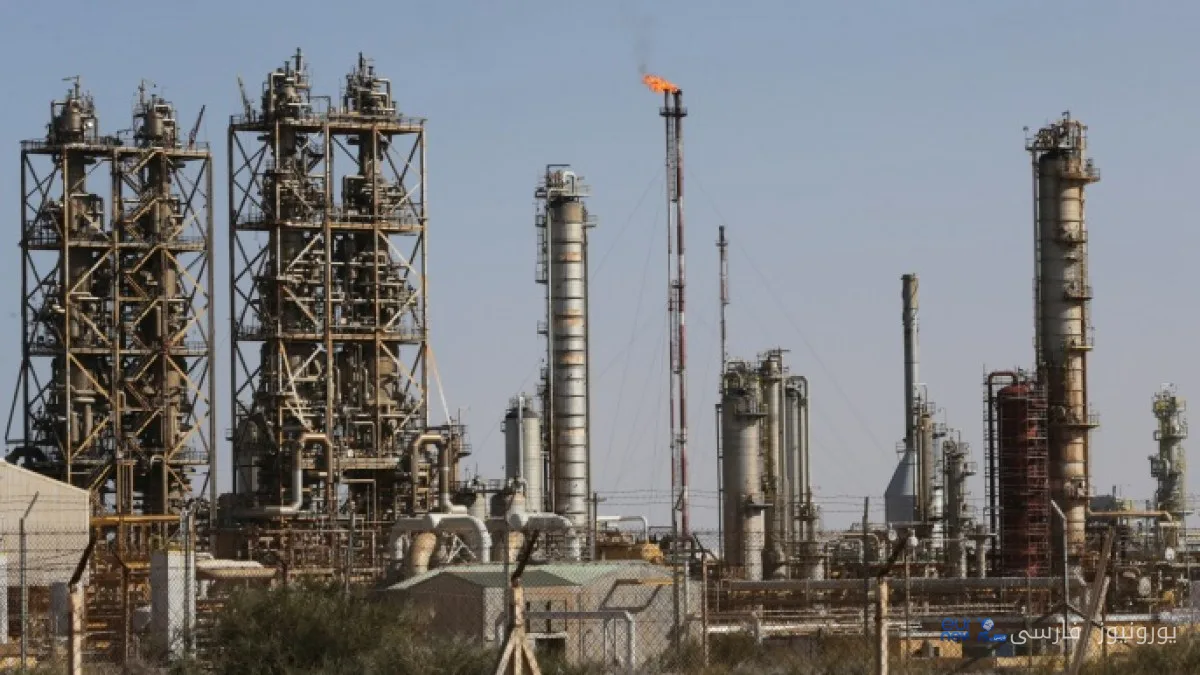
Libya, as the second largest oil producer in Africa, with a daily production capacity of about ۱.۵ million barrels, seems to be on the path to success. However, the reality is different; internal disorder and political divisions have prevented this country from reaching its true potential. In the meantime, efforts to increase production to two million barrels per day continue to face serious challenges.
Disorder and Political Crises
For over a decade, Libya has been embroiled in political crises and civil wars, which have directly impacted the country's oil industry. We have repeatedly witnessed the shutdown of oil fields and even illegal oil sales, which have become a serious problem for the national economy. The ambiguities and tensions among various political groups have hindered necessary investments in this vital sector.
The Libyan government is seeking to attract foreign investments and improve infrastructure to raise oil production to two million barrels per day. However, under current conditions, political and economic instability has turned this goal into a major challenge. Even with serious efforts, it seems that achieving this goal requires more time and careful planning.
Future Outlook
Although Libya has high potential for increasing oil production, as long as the political and social issues of this country remain unresolved, serious improvements in this industry cannot be expected. In fact, the exploitation of oil resources is only possible in the shadow of stability and internal unity. In this regard, there is a need for a comprehensive and coordinated strategy for the optimal use of resources so that Libya can be recognized as a global oil power.