الجزیره فارسی
روایت خاورمیانه
الجزیره فارسی
روایت خاورمیانه 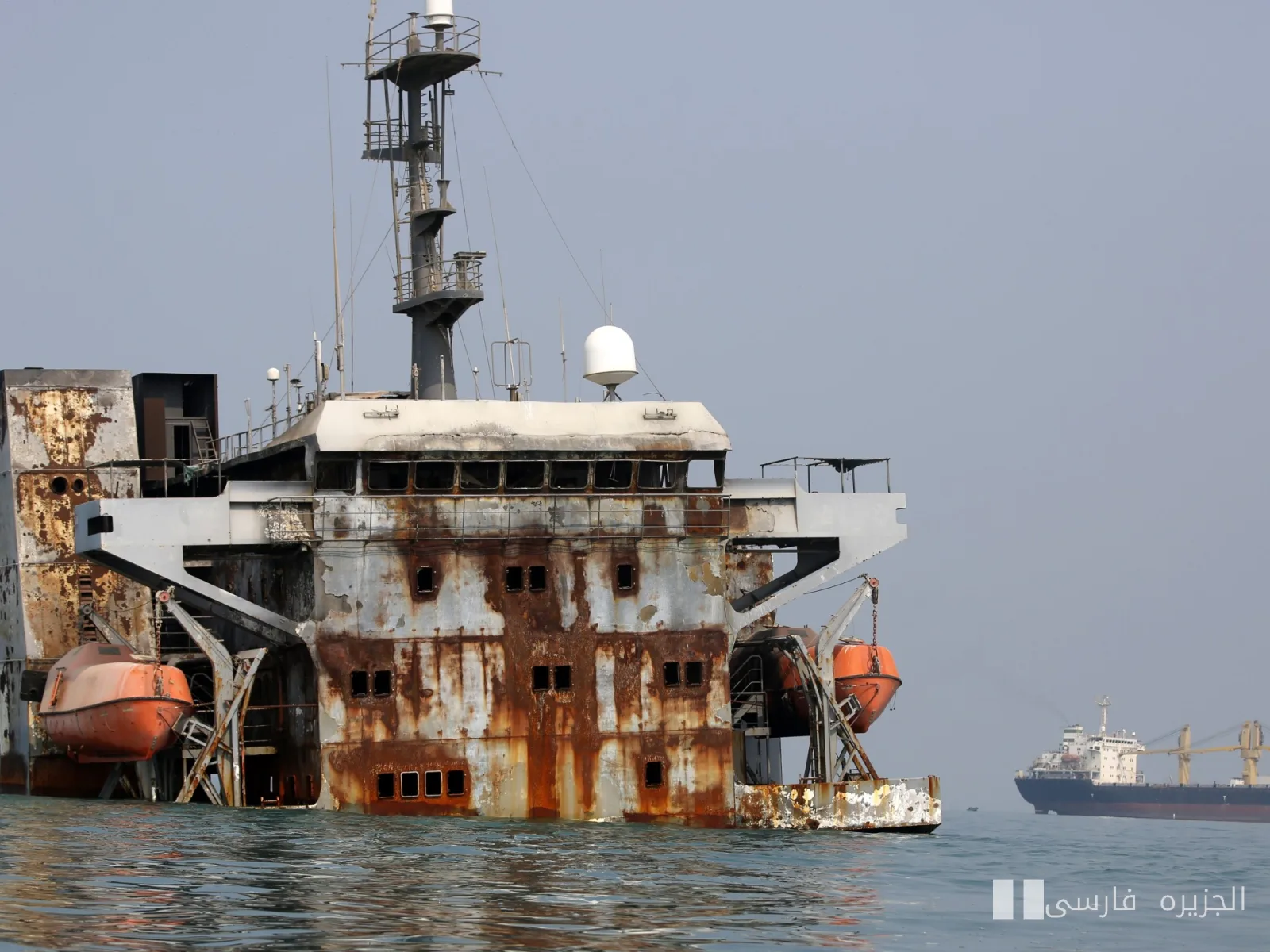
The Strait of Hormuz, one of the most sensitive waterways in the world, has undergone profound changes in recent days that have wide-ranging impacts on global trade and security. In the past ۴۸ hours, numerous reports of mutual targeting between various forces in this region have emerged, which could severely affect the free flow of vessels.
Impact on Trade Flow
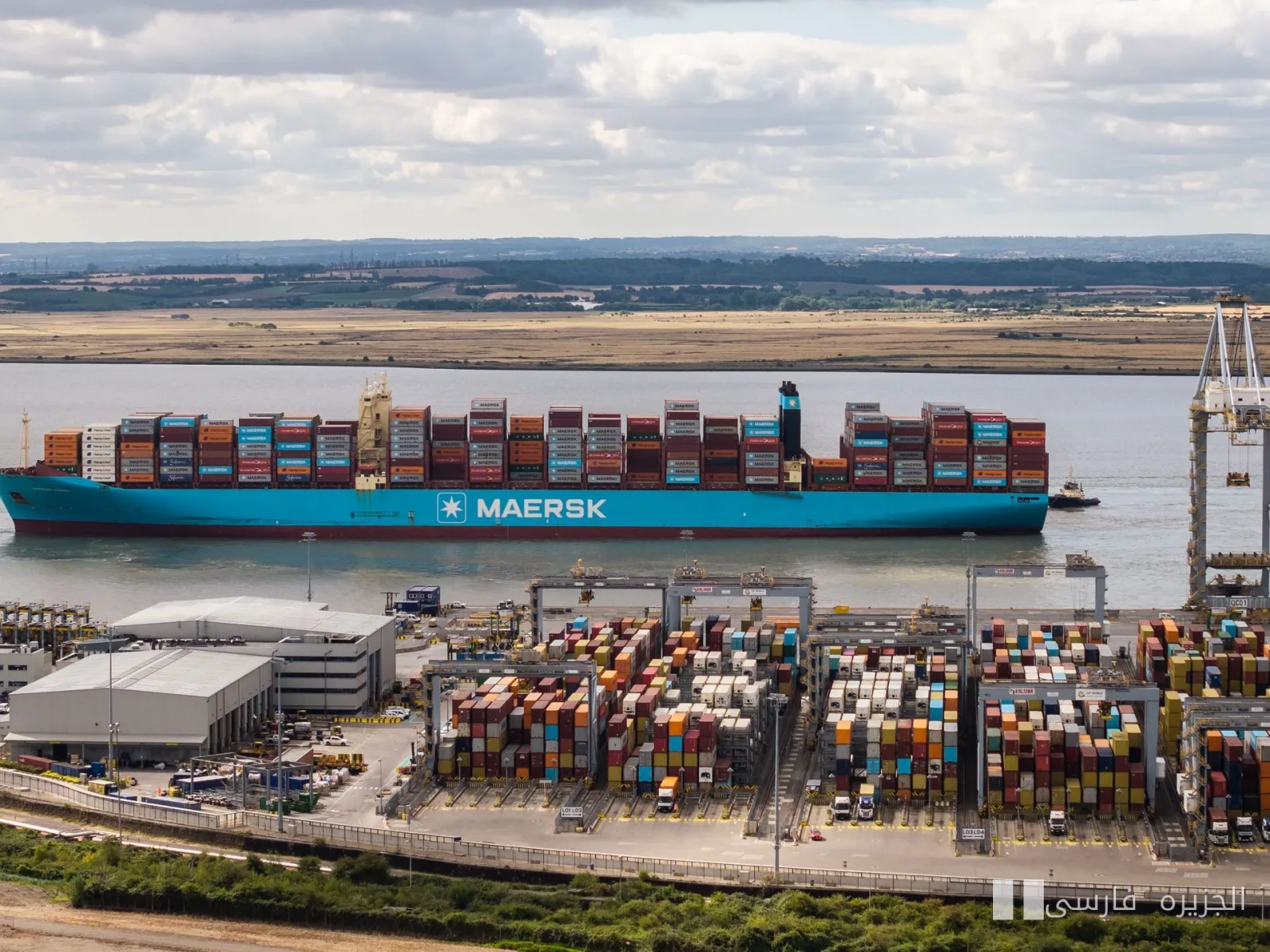
These targetings, which appear to have occurred due to increasing tensions in the region, not only affect the security of the area but will also have negative effects on global supply chains. Given that the Strait of Hormuz is a vital route for the passage of oil and gas from the Persian Gulf to global markets, any kind of tension could lead to price increases and instability in the energy market.
Furthermore, a report has emerged regarding the seizure of a Masirah submarine, indicating growing concerns about the use of advanced technologies in this area. It seems that this submarine, which has been operating illegally, has become one of the new tools in military strategies.
The Role of South Korea and Future Developments
Amid these developments, rumors about the possible role of South Korea in these phenomena are circulating. This country, which has recently strengthened its relations with some regional countries, may soon become involved in developments in the Strait of Hormuz. Experts believe that military and economic cooperation with South Korea could shift the balance of power in this region.
Ultimately, it seems that the situation in the Strait of Hormuz is undergoing significant transformation, and these changes will impact not only regional security but also global stability. As this trend continues, we should expect international reactions and future developments in this strategic waterway.