الجزیره فارسی
روایت خاورمیانه
الجزیره فارسی
روایت خاورمیانه 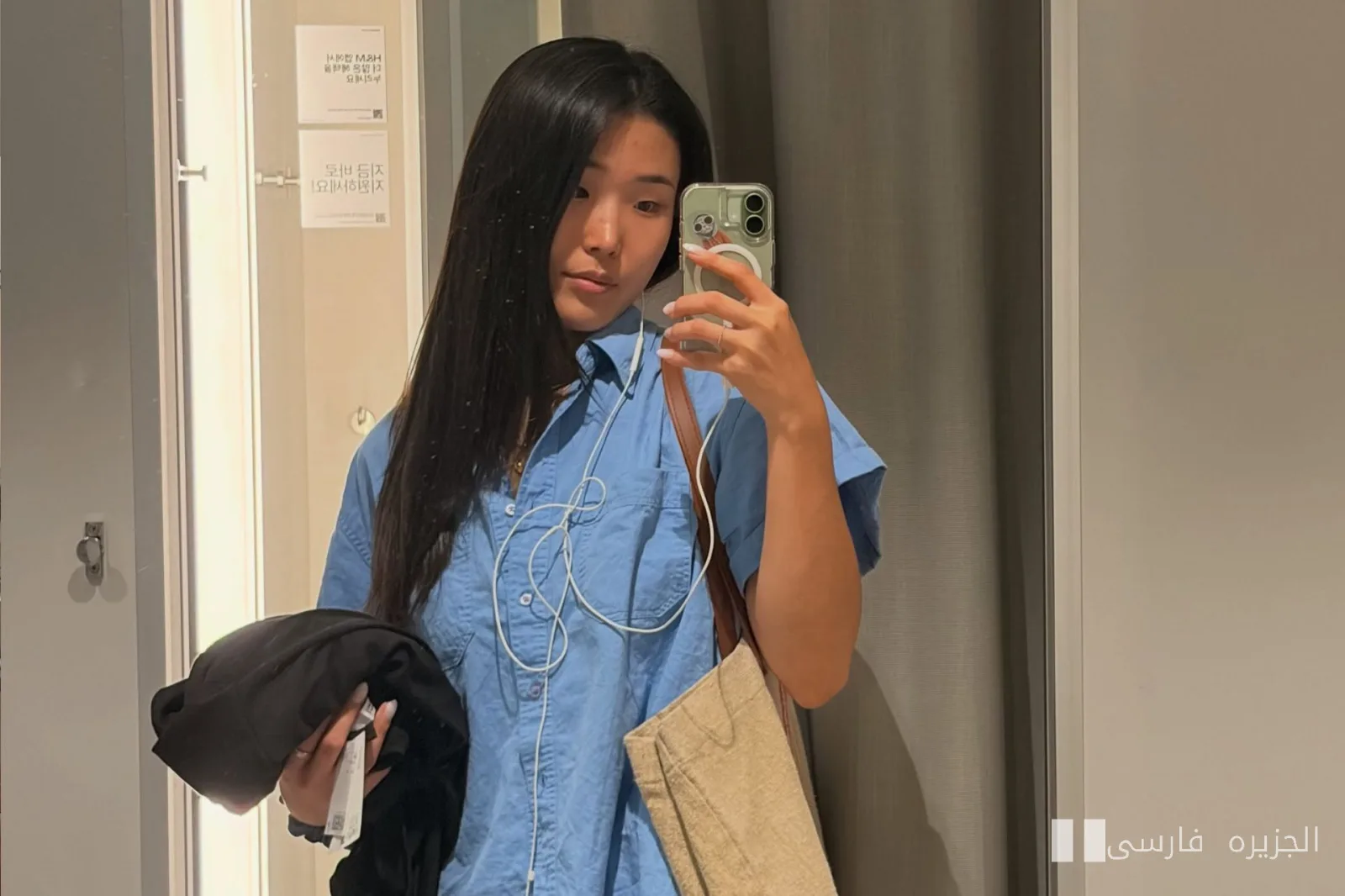
In today's world, where borders are rapidly disappearing and cultures easily blend together, the story of Mina, a Korean who speaks with a Halabi accent, may not be surprising, but it is still intriguing. She has never set foot in Syria, yet astonishingly, she can speak fluently and proficiently.
The Secret of the Halabi Accent in South Korea
Mina, a girl from South Korea, is somehow connected to the culture and language of Syria in a way that seems difficult to explain simply. How is it possible for someone who has never lived in Aleppo to be so familiar with the local accent? This question takes us to the depths of cultural and social connections.
This phenomenon is likely related to the impacts of globalization and social media. Through the internet and social networks, Mina has accessed a new world of cultures and languages and has managed to get remarkably close to the Halabi accent. In fact, this demonstrates the power of language and culture in creating human connections.
Beyond Borders; Cultural Ties
Mina is not the only case of this kind. In recent years, many examples of individuals who communicate easily in non-native languages have been observed. This indicates that language is not just a tool for communication, but a cultural bridge that can bring different peoples closer together.
It seems that Mina and others like her, with the language they use, not only exchange information but also contribute to the expansion of mutual understanding between cultures.
So can we say that Mina represents a generation that has transcended cultural borders? Can she be introduced as a symbol of the globalization of cultures? These questions lead us to think about a future where transnational and cultural communications have become commonplace.