الجزیره فارسی
روایت خاورمیانه
الجزیره فارسی
روایت خاورمیانه 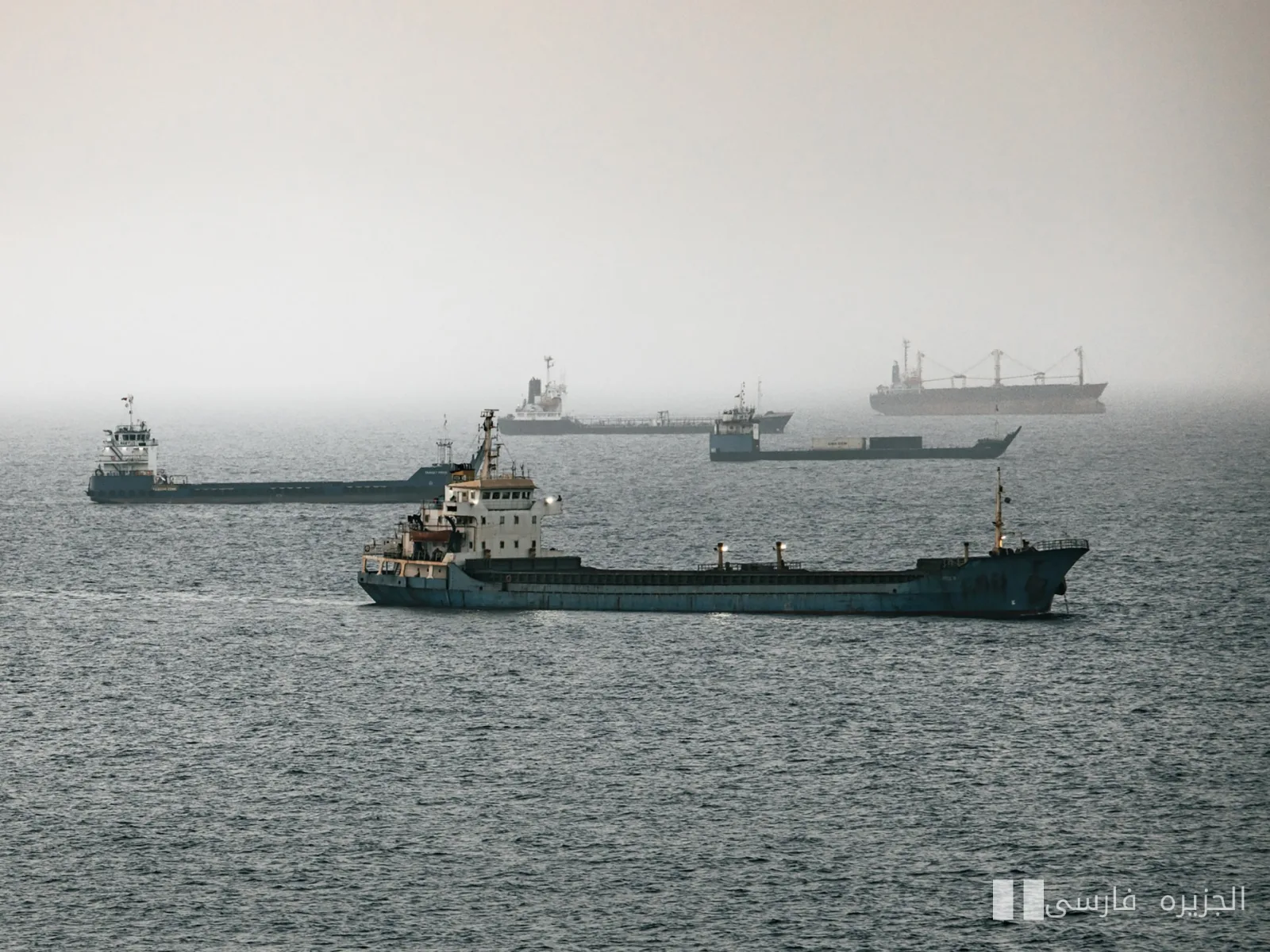
Amidst severe sanctions and international pressures, Iran's oil exports have sharply declined, marking a warning sign for the country's economy. Given the maritime sanctions imposed by the United States, Iran is clearly trying to find new markets for its oil, but these efforts are facing serious challenges.
Chinese Buyers Turn to Other Options
In this situation, Chinese buyers, who have traditionally been one of Iran's largest oil customers, have turned to purchasing oil from other countries such as Saudi Arabia, Iraq, and the United Arab Emirates due to supply shortages and rising prices. This shift in approach has led Iran to face a serious challenge in selling its oil, which has clearly negatively impacted the country's oil revenues.
It seems that with declining offshore oil reserves and increased demand from other markets, Iran must adopt new strategies in this regard. The economic pressure resulting from this decline in exports has also led to social and political discontent within the country.
Impacts on Iran's Economy
The decrease in oil exports not only affects government revenues but also directly impacts the livelihoods of the people. Given that a significant portion of the country's budget is dependent on oil revenues, this situation could have more serious repercussions. While Iran's economy faces numerous challenges, failure to find new oil markets could exacerbate further crises.
As a result, Iran is in a position where it must quickly respond to these changes and strive to emerge from this crisis by adopting new approaches. This situation will not only affect the oil market but also impact Iran's economic and political stability.