الجزیره فارسی
روایت خاورمیانه
الجزیره فارسی
روایت خاورمیانه 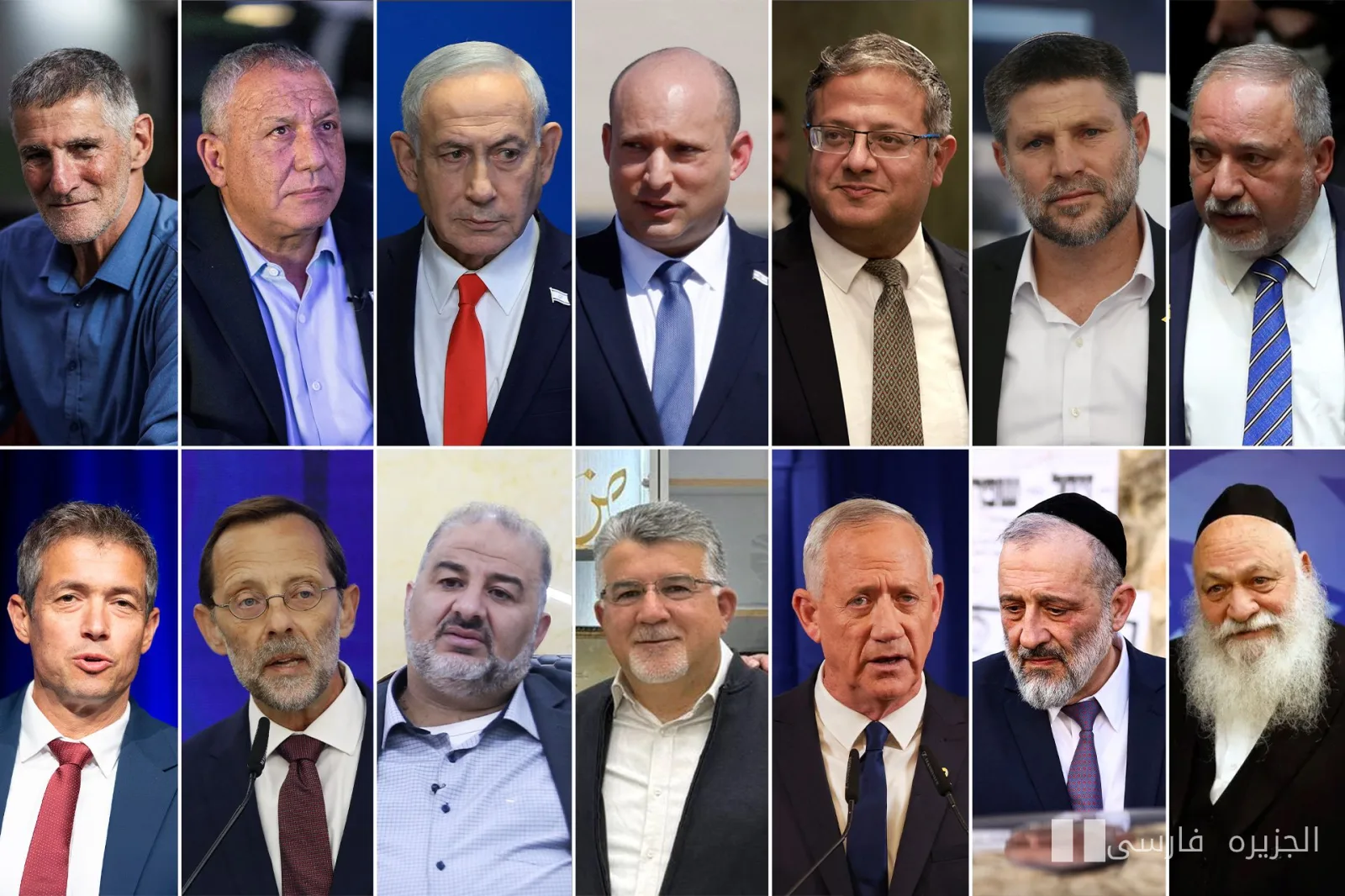
The ۲۶th Knesset elections are approaching, with the competition heating up and all eyes focused on the ۶۱ critical seats. This election, considered pivotal, has become a battleground for political and strategic conflicts. Meanwhile, neither camp has yet managed to gain a decisive advantage, and the situation is highly unstable.
New Tactics and Unexpected Alliances
With the lists closed, various parties are seeking to attract voters and form new alliances. Recent developments have significantly impacted polls and led to changes in political strategies. Some parties are looking to attract new forces and ally with smaller groups to increase their chances of achieving a majority.
Amidst this, rumors of potential unexpected alliances and the division of voter support are circulating, which could have profound effects on the election outcome. Each party is trying to capture voters' attention by presenting appealing slogans and practical programs.
Challenges Facing the Parties
However, there are many challenges ahead for the parties. Uncertainty about public votes and political tensions within the parties could lead to further instability. Analysts believe that if this situation continues, the election results could be highly surprising and not only change the political equations but also impact the country's political future.
As the election time approaches, the situation could change unpredictably at any moment. In this electoral battle, every vote could determine the fate of a party or coalition, adding to the excitement and allure of this election.