الجزیره فارسی
روایت خاورمیانه
الجزیره فارسی
روایت خاورمیانه 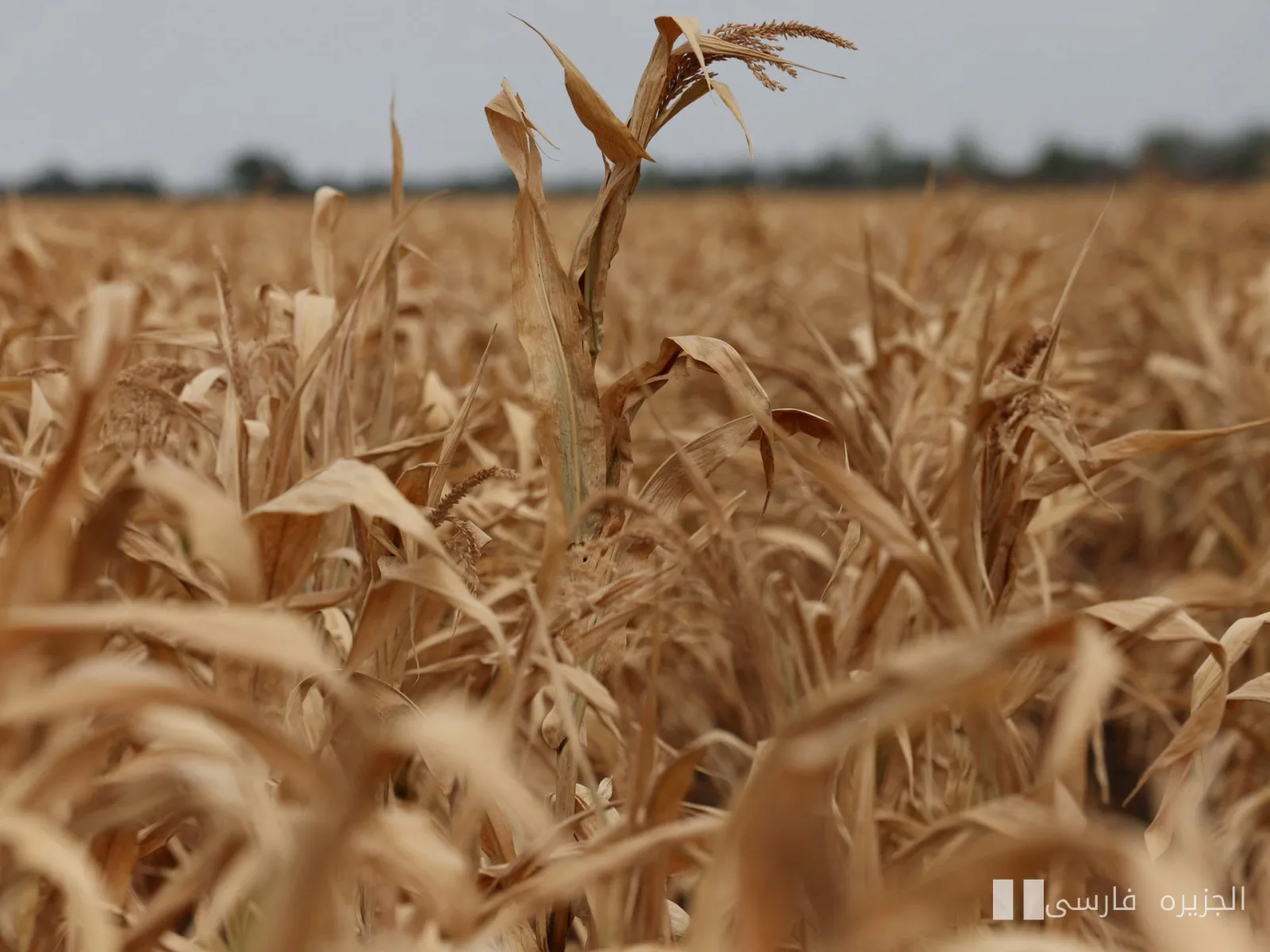
۲۰۲۶ has been recorded as a hot and unprecedented year in European history. The heat in this continent has reached a level where its effects on agriculture are clearly visible. Crops such as corn and wheat, which typically mature at a specific time, are ripening significantly earlier than usual.
Impact of Climate Change on Agriculture
This situation is not only unfavorable for farmers but could also have serious consequences for food security and the economy of Europe. With reduced production in some key products, the likelihood of food crises and rising prices also increases. Farmers in many European countries are facing new challenges arising from climate change and heatwaves.
In previous years, the production of corn and wheat had increased due to favorable climatic conditions. However, this year, due to the extreme heat, these products have been significantly affected. Some farmers have reported that their crops have lower quality due to insufficient water and high temperatures.
The Future of Agriculture in Europe
Given the current conditions, questions have arisen about the future of agriculture in Europe and the continent's ability to meet its food needs. Will farmers be able to adapt to these challenges and continue sustainable production? While some experts are seeking solutions to address these issues, the existing realities indicate that immediate and effective actions must be taken to prevent more serious crises.
Ultimately, this situation is concerning not only for farmers but for all residents of Europe. If climate change continues in this manner, we may face even more serious challenges in the near future.