الجزیره فارسی
روایت خاورمیانه
الجزیره فارسی
روایت خاورمیانه 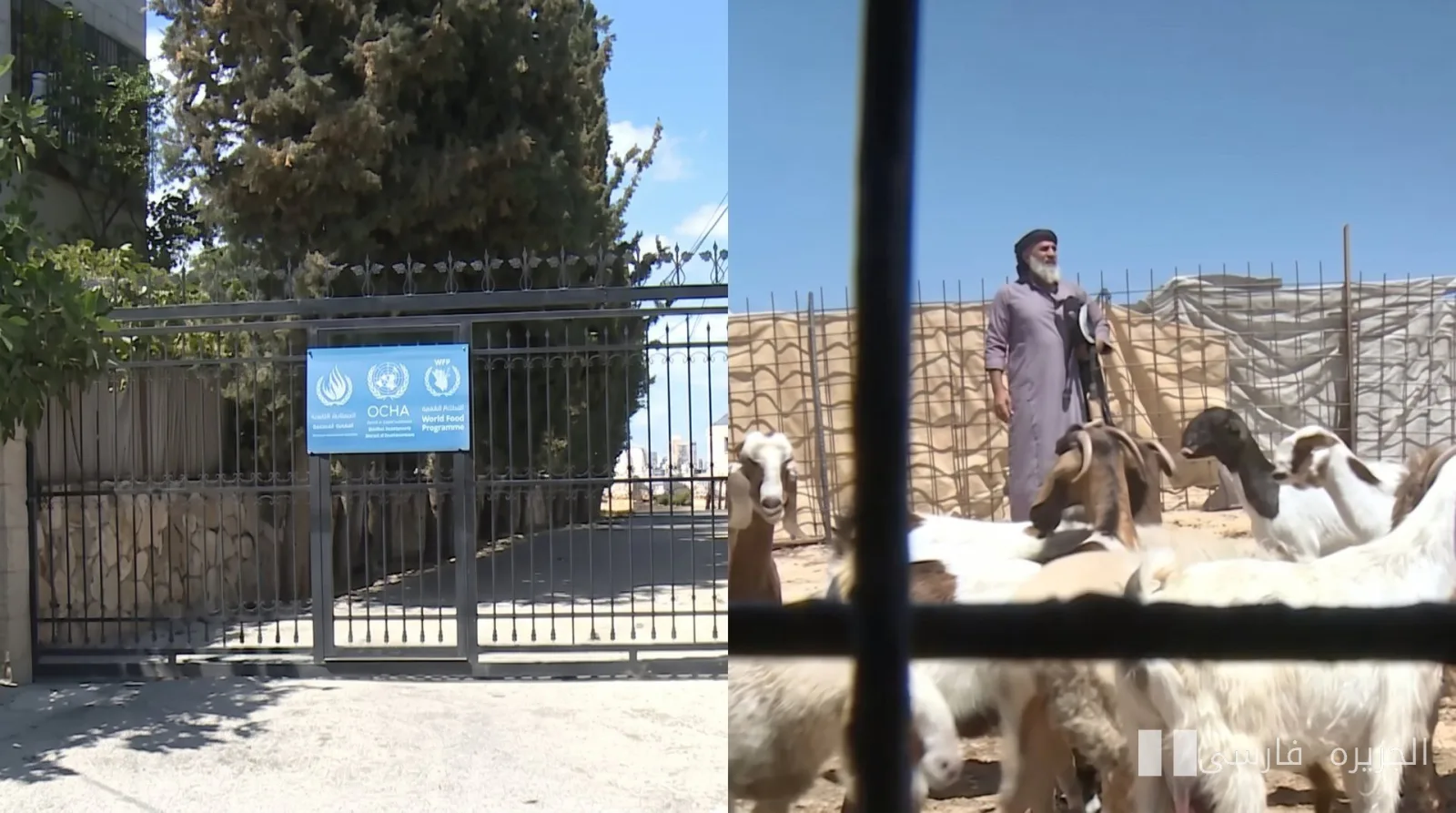
As humanitarian crises escalate in various parts of the world, the news of a ۵۰% reduction in food aid to Palestinian families in the West Bank is extremely concerning. This decision has been made due to a lack of financial resources and clearly highlights the larger challenges these families are facing.
Consequences of Reduced Aid
In the Masafer Yatta area of Hebron, this reduction is not just a number; it literally threatens the lives and livelihoods of thousands. Families are facing serious crises due to food shortages and financial resources. In this context, more fundamental questions arise: What will happen to these families? Will they be able to meet their basic needs, or will they fall into poverty and hunger?
This situation affects not only food security but also the mental and social health of these families. Many of them are currently living in unsuitable conditions, and with this reduction in aid, a heavier burden is placed on them.
Challenges and Solutions
Ultimately, this crisis is not exclusive to Palestinians. Many countries around the world are also grappling with similar crises. The need for global cooperation and increased support for these regions is growing. The fact that millions are at risk of hunger and poverty intensifies the responsibility of the entire international community.
Although many efforts are being made to improve the living conditions of these families, the reduction in aid severely impacts these efforts. Is it not time for the global community to pay more attention to these crises and take action to resolve them?