الجزیره فارسی
روایت خاورمیانه
الجزیره فارسی
روایت خاورمیانه 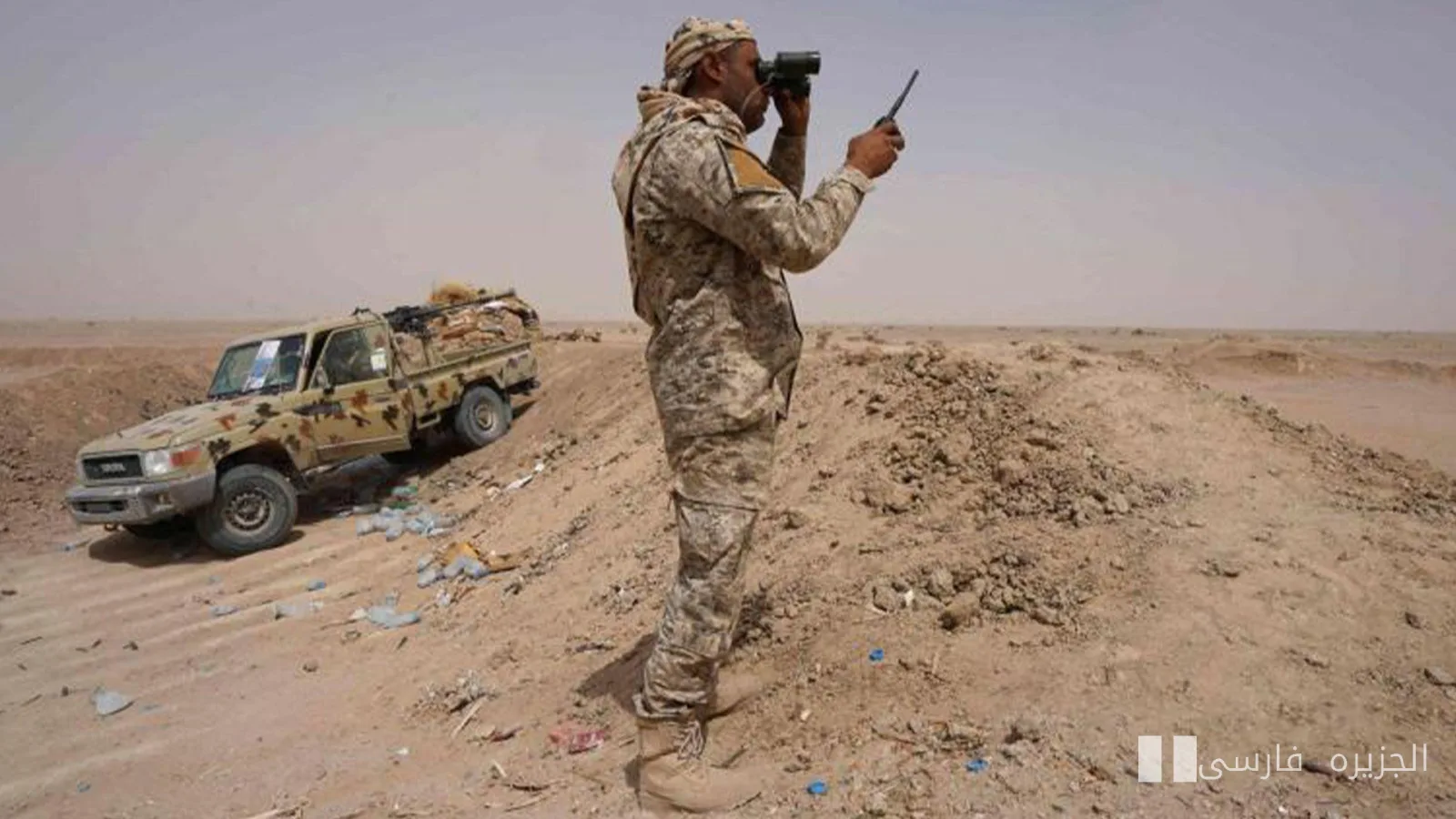
The Yemen war, as one of the most complex contemporary conflicts, has faced new developments that have completely transformed the battlefield geography. While coastal fronts and the interior of the country are under severe pressure, battles in the western Taiz countryside, Marib, and Al-Jawf clearly indicate a change in the strategic lines of the war.
New Pressures and Strategic Developments
In recent months, clashes in Taiz and Marib have escalated significantly, making these areas a focal point for intense battles. These developments have clearly redistributed pressures among relief lines and the geography of the war, complicating conditions for the warring parties. While fighters on the coastal front seek to dominate strategic areas, internal fronts are also struggling hard to maintain their control.
These changes not only impact the battlefield but will also have profound effects on political and diplomatic relations in the region. Each party, in an effort to increase its influence in these areas, is seeking international support, and in this context, changes in the map of military and financial support can be observed.
Challenges Ahead and the Future of the Yemen War
As these developments continue, the future of the Yemen war remains uncertain. Will these changes lead to the establishment of peace, or conversely, will they exacerbate tensions? Analysts believe that given the history of this conflict, the likelihood of peace in the short term appears weak. Nevertheless, what is certain is that the geography of the Yemen war is rapidly changing, and these changes could have profound consequences for the future of this country and the region.