الجزیره فارسی
روایت خاورمیانه
الجزیره فارسی
روایت خاورمیانه 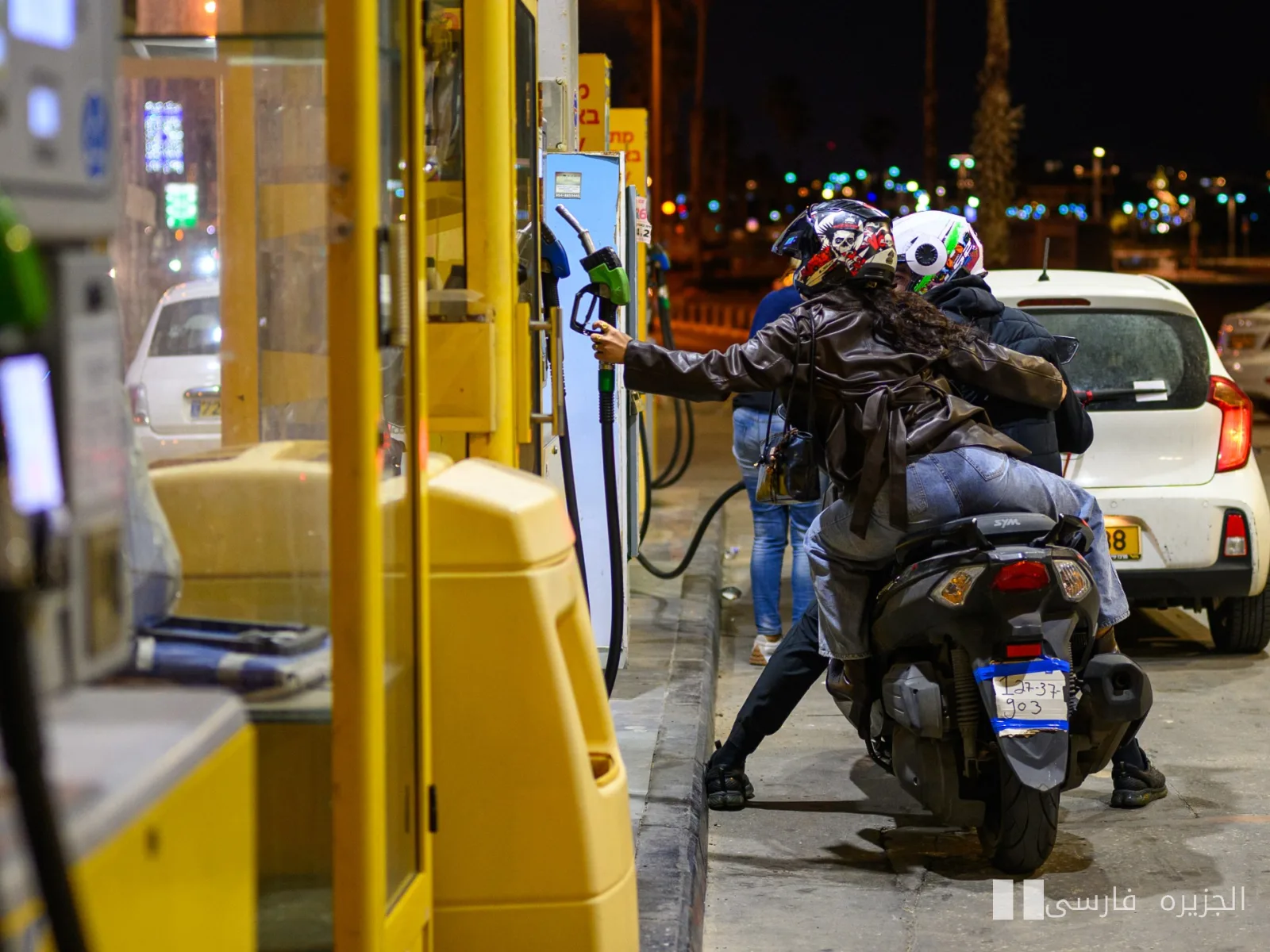
Following an unprecedented rise in gasoline prices, Israel has decided to reduce fuel taxes for a period of two months. This action is aimed at alleviating the economic pressure on citizens and mitigating the repercussions of rising oil prices due to recent tensions in the region, particularly following developments in Iran.
Rising Prices and Economic Challenges
The increase in global oil prices, which has occurred due to tensions and political conflicts in the Middle East, has caused gasoline prices in Israel to reach an unprecedented level. This rise has not only affected the daily expenses of citizens but has also fueled greater economic concerns.
With this decision, the Israeli government aims to prevent further price increases by reducing fuel taxes and to somehow avert public discontent. This action comes at a time when many people are struggling with financial and economic challenges, and the rise in fuel prices can directly impact their cost of living.
Response to Protests and Criticism
With this decision, the Israeli government is responding to the criticisms and public protests that have arisen due to rising prices and economic difficulties. In recent months, the increase in the cost of living and pressure on the middle class has led to significant criticism, and now the reduction of fuel taxes can be seen as a positive step towards alleviating these pressures.
However, many analysts believe that this action is merely a temporary solution and that more fundamental measures are needed to address the root economic issues. As regional and global crises continue, the future of fuel prices and their effects on people's lives remain uncertain.