الجزیره فارسی
روایت خاورمیانه
الجزیره فارسی
روایت خاورمیانه 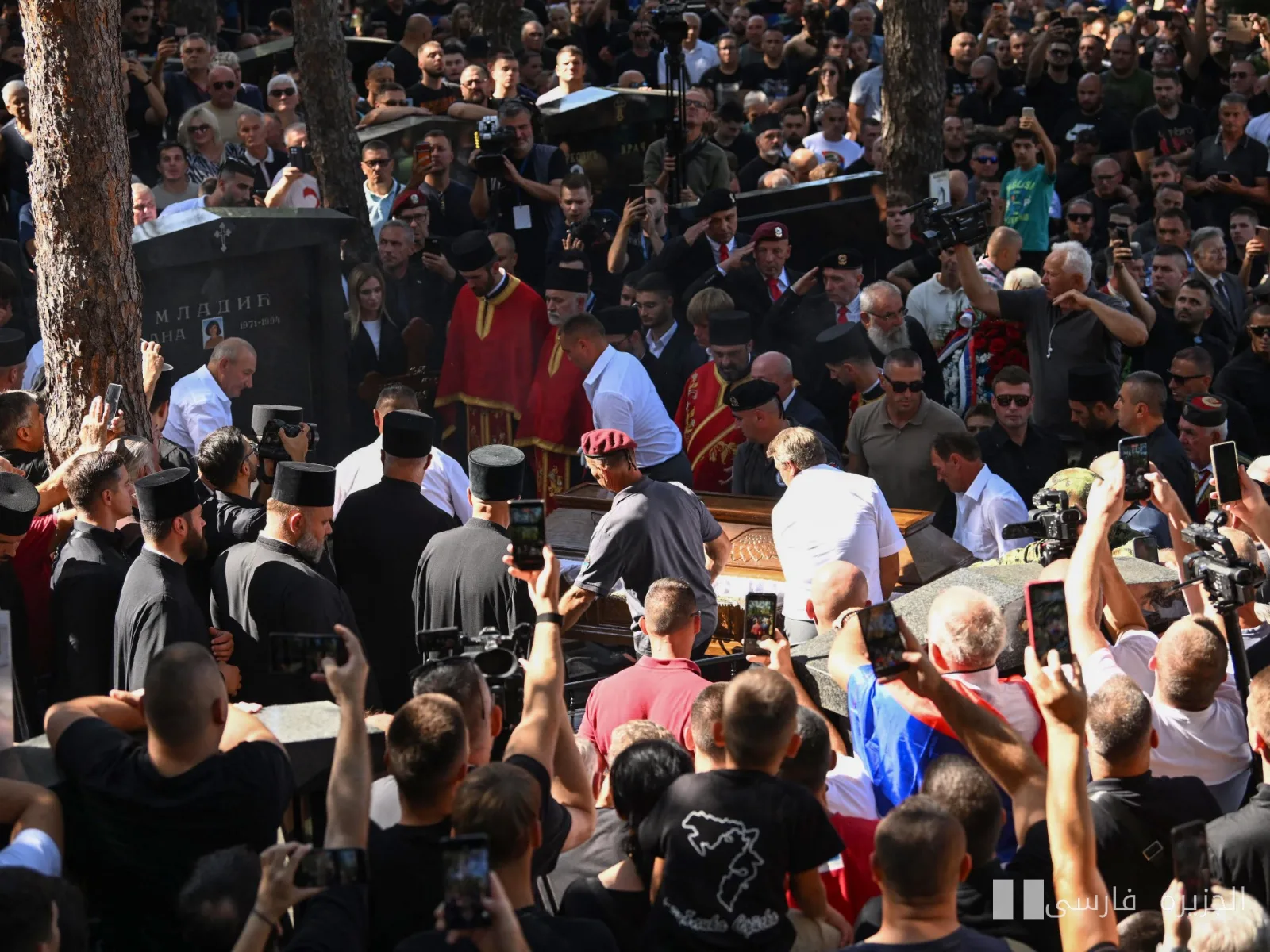
In a controversial event, EU leaders reacted strongly to the presence of Serbian officials at the funeral of Ratko Mladić, a war criminal and one of the key figures of the Balkan war. This act sparked heated discussions not only at the political level but also socially, directing serious criticism towards the Serbian government.
A Dark History
Ratko Mladić is known as one of the architects and executors of war crimes during the Bosnian War. He is particularly infamous for the Srebrenica massacre in ۱۹۹۵, where approximately ۸,۰۰۰ Muslim men and boys were killed. These crimes are recognized as genocide and have always cast a shadow over Serbia's relations with other Balkan countries.
The presence of Serbian officials at this ceremony has been assessed as extremely concerning and is described as a sign of unwillingness to confront history and accept past responsibilities. As Serbia moves towards joining the European Union, such actions could negatively impact the country's negotiation process and international relations.
Reactions and Criticism
EU leaders condemned this act in statements, considering it a sign of insufficient understanding of the importance of reconciliation and acceptance of historical responsibilities. Some analysts believe that such behaviors could weaken Serbia's credibility on the international stage and pose serious challenges to the country's path to Europe.
Ultimately, this incident serves not only as a reminder of the dark chapters of history but is also viewed as a warning for the future. In today's world, confronting the past and striving for reconciliation seems more essential than ever.