الجزیره فارسی
روایت خاورمیانه
الجزیره فارسی
روایت خاورمیانه 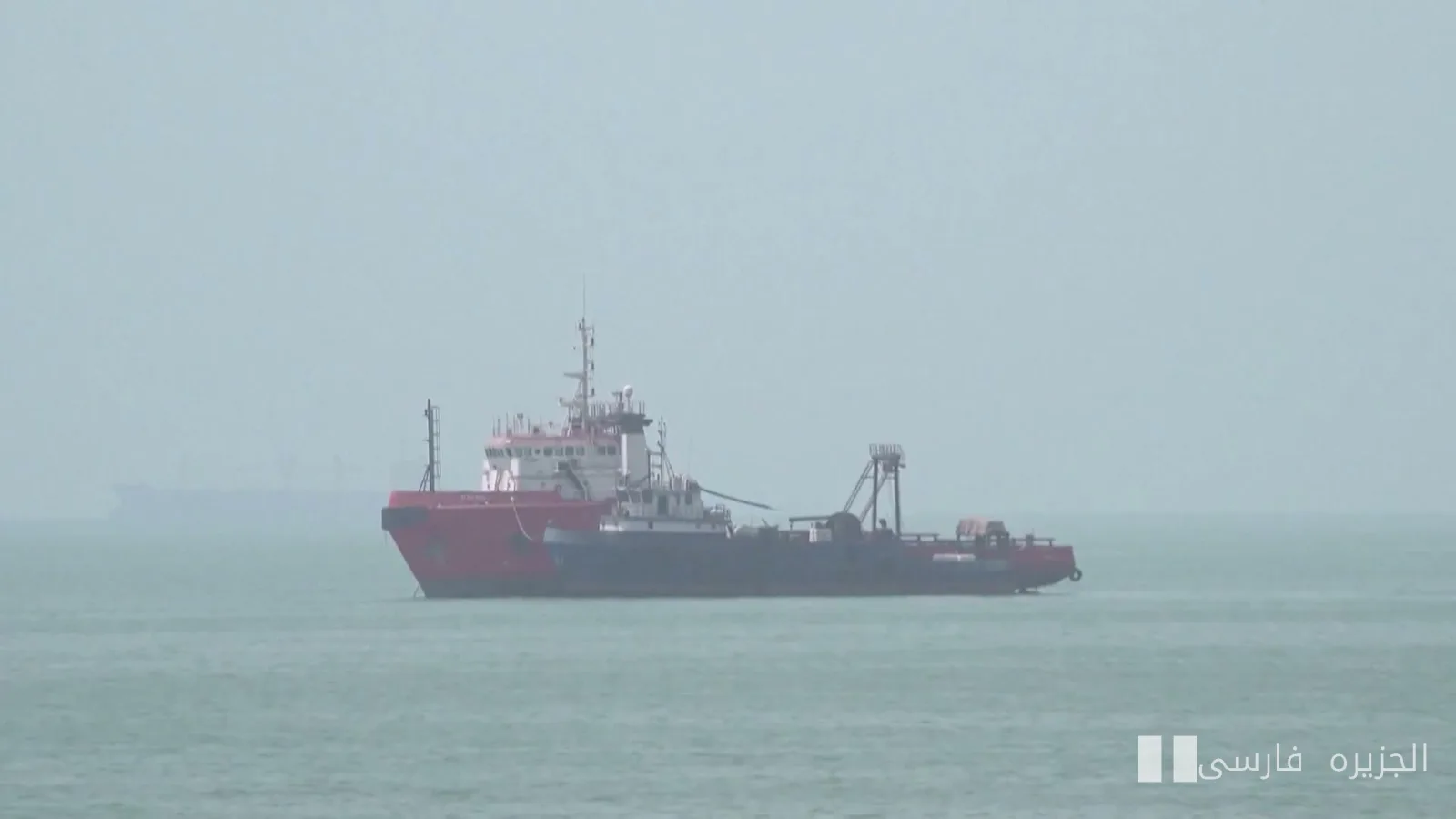
The Strait of Hormuz, as one of the most important waterways in the world, has always been at the center of international attention. While this strait, only ۳۳ kilometers wide, facilitates the transfer of oil and essential goods to global markets, recent tensions between Iran and the United States have reignited the debate over navigation rules in these sensitive waters.
Legal and Political Challenges
The main question here is: who can determine the navigation rules in the Strait of Hormuz? Does this matter relate to international law, or is it more about the power and political influence of countries? Iran, as a country that controls a significant portion of the Hormuz coastline, claims the right to set navigation rules in this area. In contrast, the United States and some other Western countries believe that international laws, especially maritime conventions governing this strait, should prevail.
Given the rising tensions, we are witnessing military maneuvers and reciprocal threats between Iran and the United States. This situation has affected the navigation of ships in this area and raised serious concerns about maritime security. Will the Strait of Hormuz become a battlefield, or can great powers resolve this crisis through diplomacy?
Future Outlook
Considering the economic importance of the Strait of Hormuz, it is likely that multiple countries will seek solutions to reduce tensions. However, it remains to be seen whether there is a will to create common solutions or whether national interests will cause this issue to persist. Ultimately, the future of the Strait of Hormuz and its navigation rules depends on the balance of power and international negotiations.
A new era of tensions awaits, and any disregard for this issue could have irreparable consequences for global trade. Is the world ready to cooperate to maintain peace in these strategic waters?