الجزیره فارسی
روایت خاورمیانه
الجزیره فارسی
روایت خاورمیانه 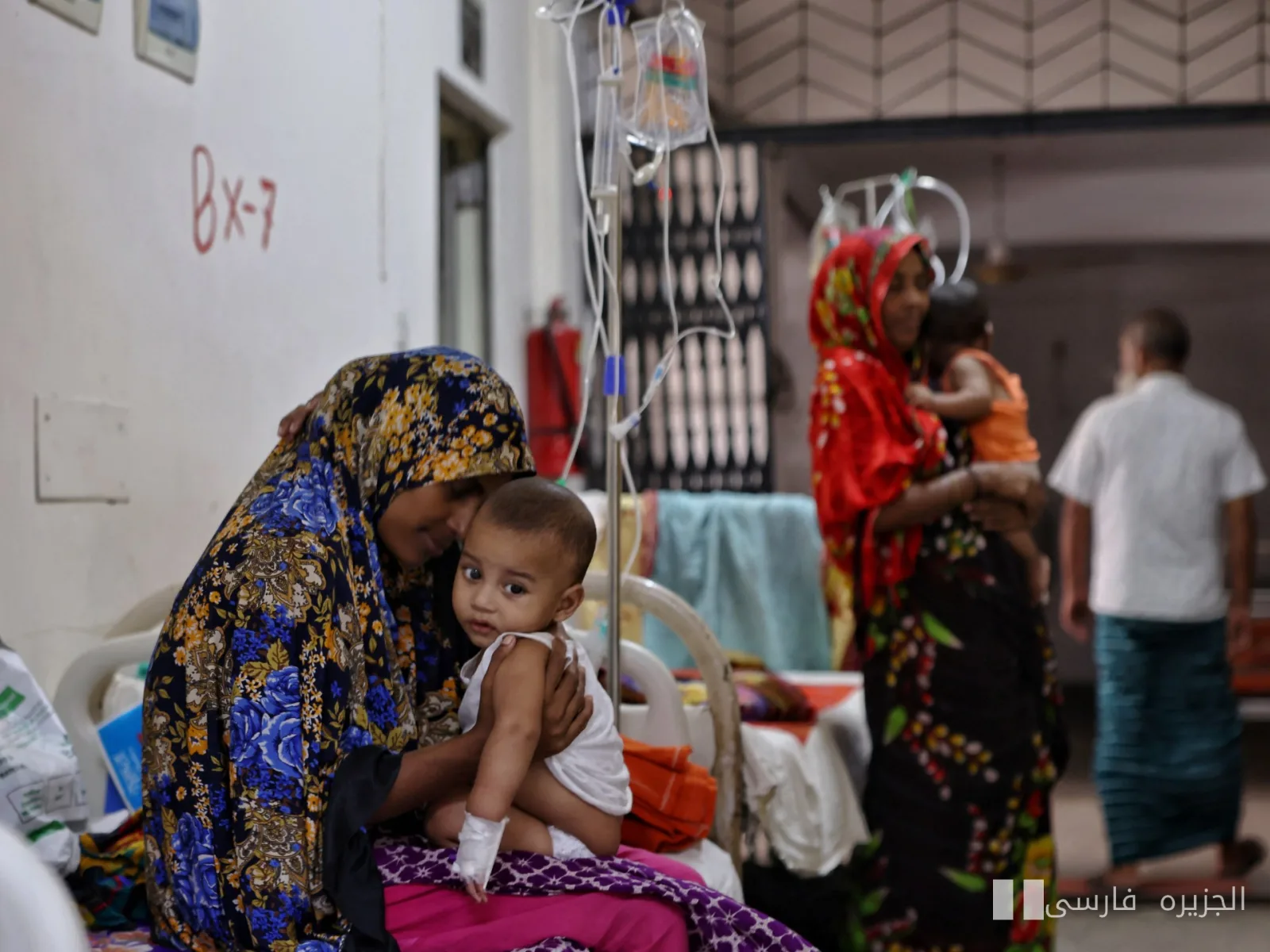
Bangladesh is currently facing a serious health crisis that is severely impacting the youngest and most vulnerable members of society. Since last March, the country has struggled with over ۱,۰۰۰ deaths caused by measles. This alarming statistic is a sign of failure in vaccination programs that were designed to control this contagious disease.
Peak of the Crisis and Vaccination Challenges
Statistics indicate that nearly ۱۹۰,۰۰۰ people in Bangladesh have contracted measles so far. This number clearly reflects the ineffectiveness of efforts to vaccinate children. Despite the government's and health organizations' attempts to improve the country's health situation, insufficient access to vaccines and appropriate health infrastructure has hindered the success of these programs.
Health officials believe that the outbreak of measles in this country has been exacerbated by the lack of complete vaccination coverage and a shortage of information regarding the importance of vaccines. While vaccination can effectively prevent the onset of this disease, a lack of awareness and public concerns about vaccine side effects have led many families to refuse to vaccinate their children.
Severe Consequences and the Need for Urgent Action
The death of over ۱,۰۰۰ children in less than a year is a wake-up call for the government and the global community. This crisis clearly indicates the need for urgent and serious action to improve health conditions and raise public awareness about the importance of vaccination. Without a doubt, if necessary measures are not taken swiftly, there is a likelihood of an increase in the number of cases and fatalities in the near future.
In this critical situation, the need for international cooperation and support for health programs in Bangladesh is felt. The country must achieve an effective and comprehensive vaccination strategy to prevent further outbreaks of the disease and save the lives of its children.