الجزیره فارسی
روایت خاورمیانه
الجزیره فارسی
روایت خاورمیانه 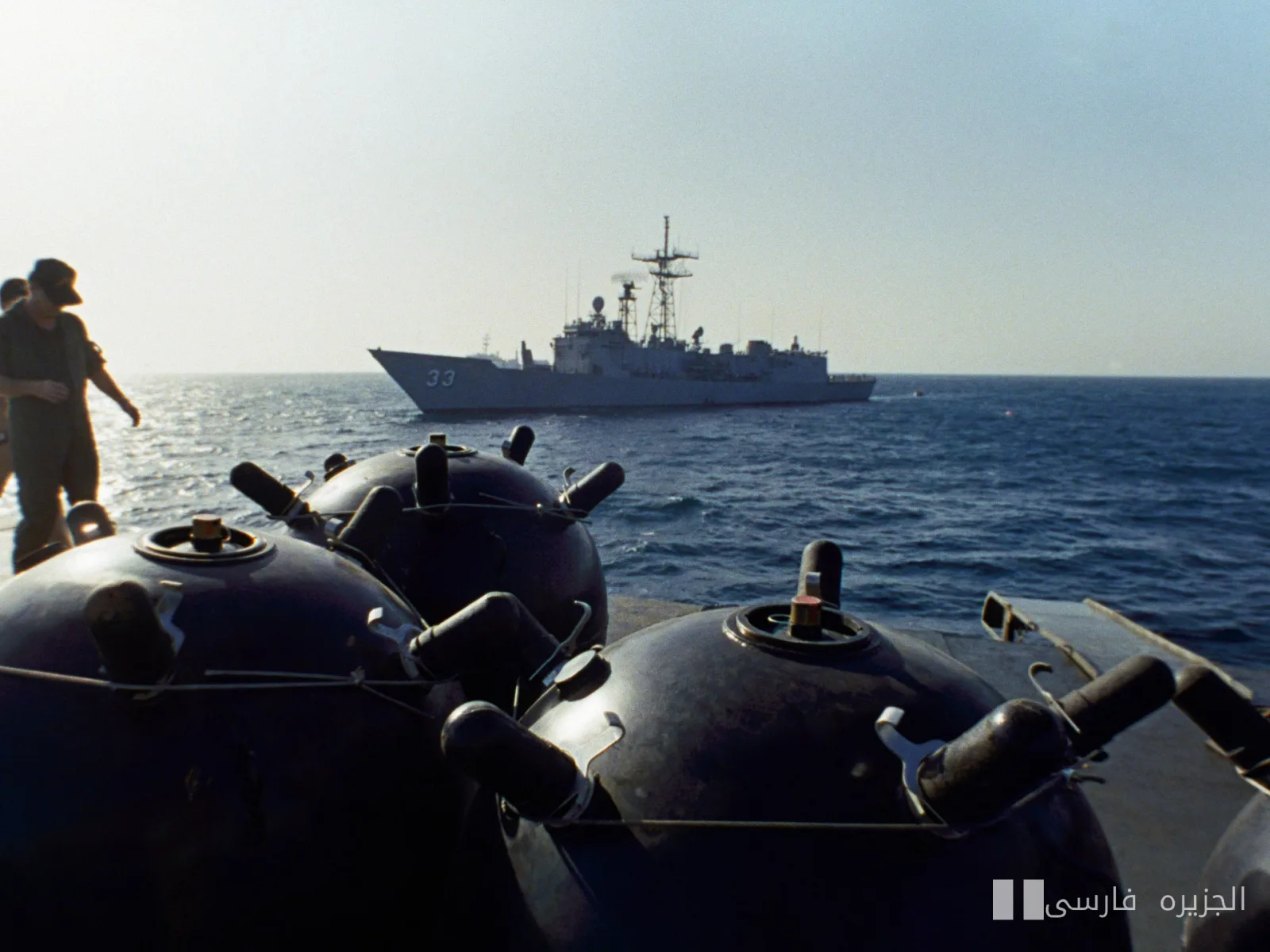
Following the increase in tensions in the Persian Gulf, the covert operation to clear mines from the Strait of Hormuz has become one of the most important topics of the day. This action, carried out by the U.S. Navy, aims to secure this strategic waterway, but at the same time raises many questions about the future of this region.
Background of the Operation and Security Challenges
The Strait of Hormuz, as one of the most sensitive points in the world, has always been in the spotlight. Given the high importance of this waterway for the transportation of oil and goods, any threat could have widespread repercussions on the global economy. In this context, the mine-clearing operation in the Strait of Hormuz seems to be a necessary action, but the risk of mines returning still exists.
This operation has taken place at a time when tensions between the U.S. and Iran have reached their peak, and both countries are seeking to assert their power in the region. The return of mines to this strait could easily jeopardize navigation security and lead to new crises once again.
Pressure Points in the Power Game
Such actions by the U.S. clearly indicate the country's efforts to increase pressure on Iran. While Iran seeks to maintain its power in the region, Washington is trying to maintain its superiority in this strategic waterway through military operations. This situation has turned into a pressure point, with both sides attempting to exploit this position to their advantage.
Given the current conditions, we should likely expect serious reactions from Tehran. Can this operation be seen as a decisive message from Washington, or will it merely fan the flames of tension further? It is time to closely observe the future developments in this sensitive region.