الجزیره فارسی
روایت خاورمیانه
الجزیره فارسی
روایت خاورمیانه 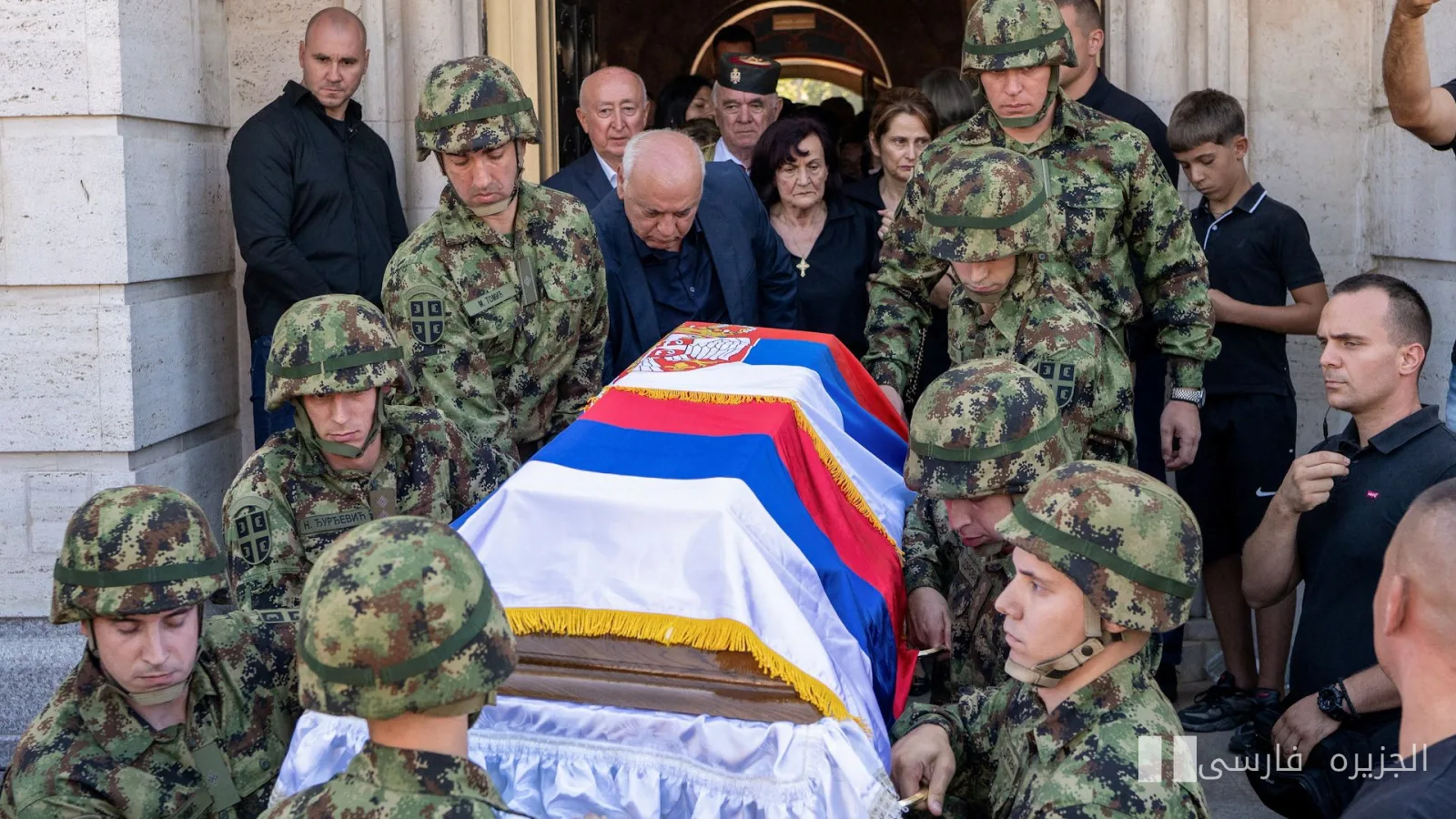
In a controversial event, the funeral ceremony of Ratko Mladić, the infamous Bosnian war criminal, was held in Serbia with the presence of thousands. Mladić, recognized as one of the symbols of war crimes in the ۱۹۹۰s, was sentenced to life imprisonment for his direct role in genocide and other crimes against humanity during the Bosnian War.
Social and Political Reactions
The large turnout at this ceremony reflects the deep social and political divisions in Serbia. Many attendees view him as a national hero, while human rights groups and numerous countries have condemned the event. This clash of perspectives once again highlights the challenges facing Serbian society in confronting its history.
The Serbian government is also under pressure to respond to this event. Some government officials have openly defended Mladić, portraying him as a victim of war, while others are trying to distance themselves from such views. These tensions have reignited heated discussions about accountability and national reconciliation in Serbia.
International Implications
This event has not only provoked domestic reactions but has also raised concerns internationally. Various countries, including members of the European Union, have strongly condemned the ceremony and called for more serious actions towards justice for the victims of war crimes. These international pressures could influence Serbia's domestic and foreign policies.
Ultimately, Mladić's funeral is seen not only as a local event but also as a symbol of the complex historical and cultural challenges in the Balkans. While some regard him as a hero, others depict him as a symbol of violence and hatred. The future of Serbia, especially regarding reconciliation and acceptance of history, is heavily dependent on such events.