الجزیره فارسی
روایت خاورمیانه
الجزیره فارسی
روایت خاورمیانه 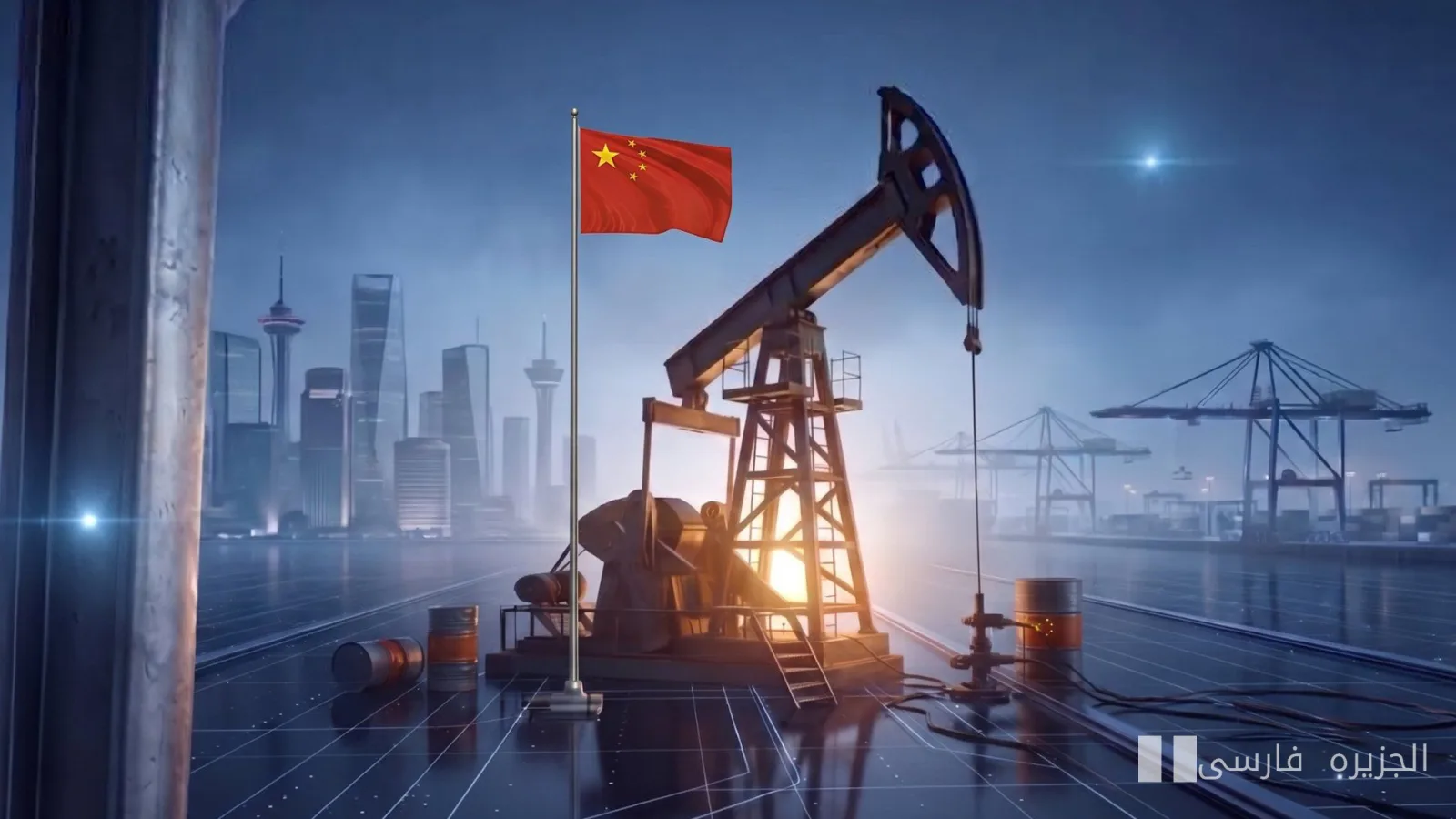
China, as the world's largest exporter of goods, is also considered one of the largest energy buyers. This duality has placed the country at the center of the Hormuz Strait crisis. Recent reports indicate that this crisis has directly impacted China's oil imports and jeopardized the country's energy reserves.
The Impact of the Crisis on China's Imports
China is heavily reliant on oil imports, and uncertainty in energy transit routes can have severe consequences for the country's economy. Given that over ۲۰ percent of the world's crude oil passes through this waterway, any disruption in this region could lead to rising prices and reduced access to energy resources for China.
Analysts believe that this situation could lead to a slowdown in China's economic growth, which in turn would have global repercussions. China is currently facing multiple domestic and international crises, and this crisis could further increase pressures on the country.
Strategic Reserves at Risk
China's strategic reserves are considered a key tool for managing energy crises. However, under the current circumstances, these reserves are rapidly declining. If the Hormuz crisis continues, China may be forced to turn to alternative and more expensive resources, which could lead to even greater economic pressures.
Ultimately, China must adopt new strategies to manage this crisis. Will the country be able to navigate through the Hormuz crisis, or will this challenge become one of its greatest economic tests? Only time will tell.