الجزیره فارسی
روایت خاورمیانه
الجزیره فارسی
روایت خاورمیانه 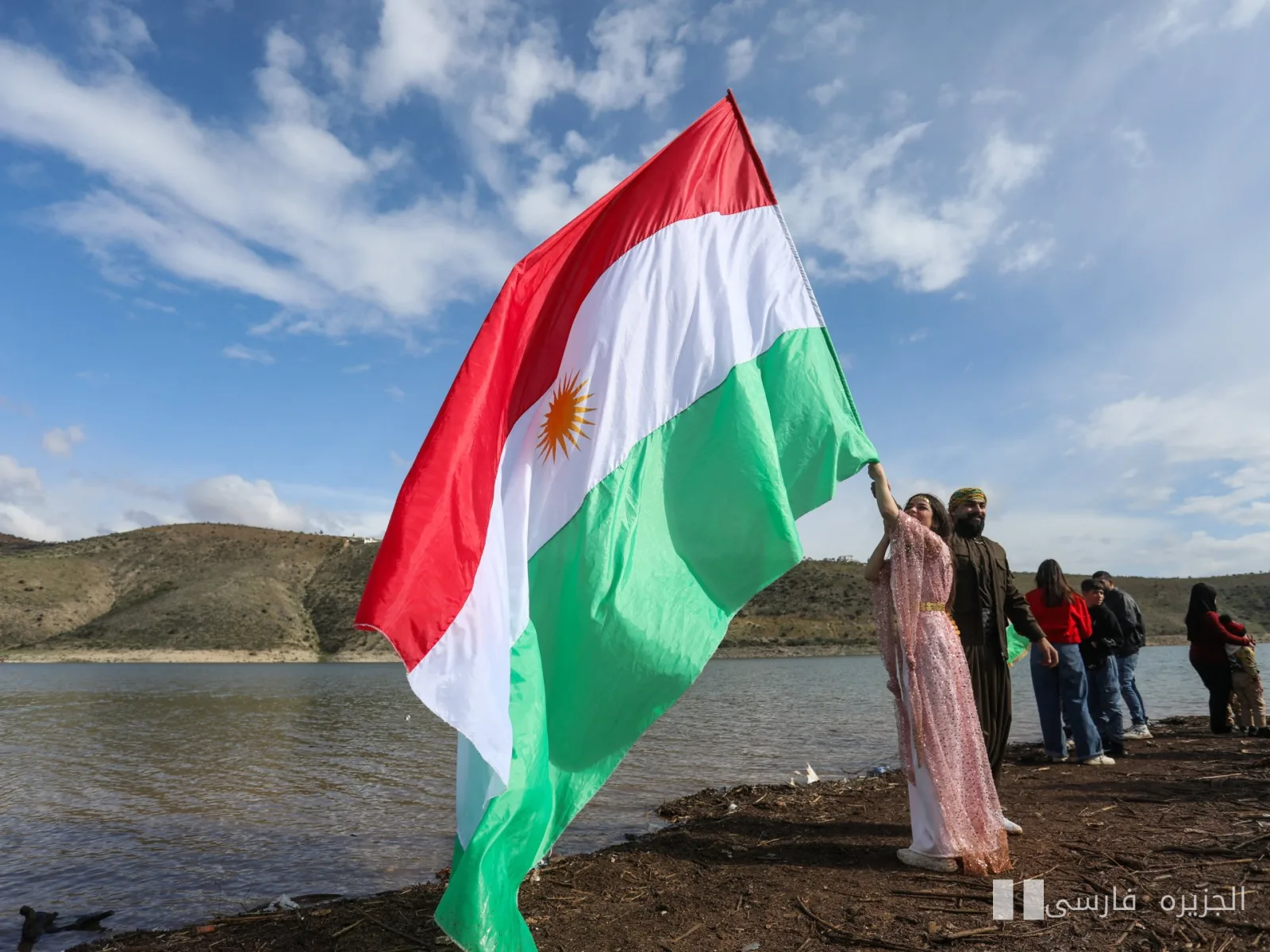
As the Syrian Democratic Forces (SDF) gradually dissolve, fundamental questions about the future rights and interests of the Kurds in Syria have emerged. These changes, especially in the political and military context of the region where the Kurds live, have raised deep concerns.
Challenges Facing the Kurds
The dissolution of Kurdish forces as a military group not only means a reduction in their military power but can also simultaneously weaken their position in future political negotiations. The Kurds have been recognized as a key link in the fight against ISIS in recent years, but now, with the withdrawal of coalition forces and changes in global policies, the question arises whether they can defend their political and cultural rights.
Experts believe that the current situation could be an opportunity for the Kurds to reconsider their strategies. They need to seek to secure their rights by forming new alliances and strengthening relations with other ethnic and national groups in Syria. But is this possible given the changing political and military conditions?
An Uncertain Future
Currently, the status of the Kurds in Syria is ambiguous, and there are no signs of a democratic and fair approach on the horizon. Despite significant achievements that the Kurds have made in recent years in security and political fields, a long way remains to guarantee their rights.
It seems that the Kurds must move towards more active diplomacy to secure their interests and make the best use of existing political tools. This is while internal and external challenges continue to stand in their way. Will the Kurds be able to secure their rights in this critical situation and emerge as a key player in the future of Syria?