الجزیره فارسی
روایت خاورمیانه
الجزیره فارسی
روایت خاورمیانه 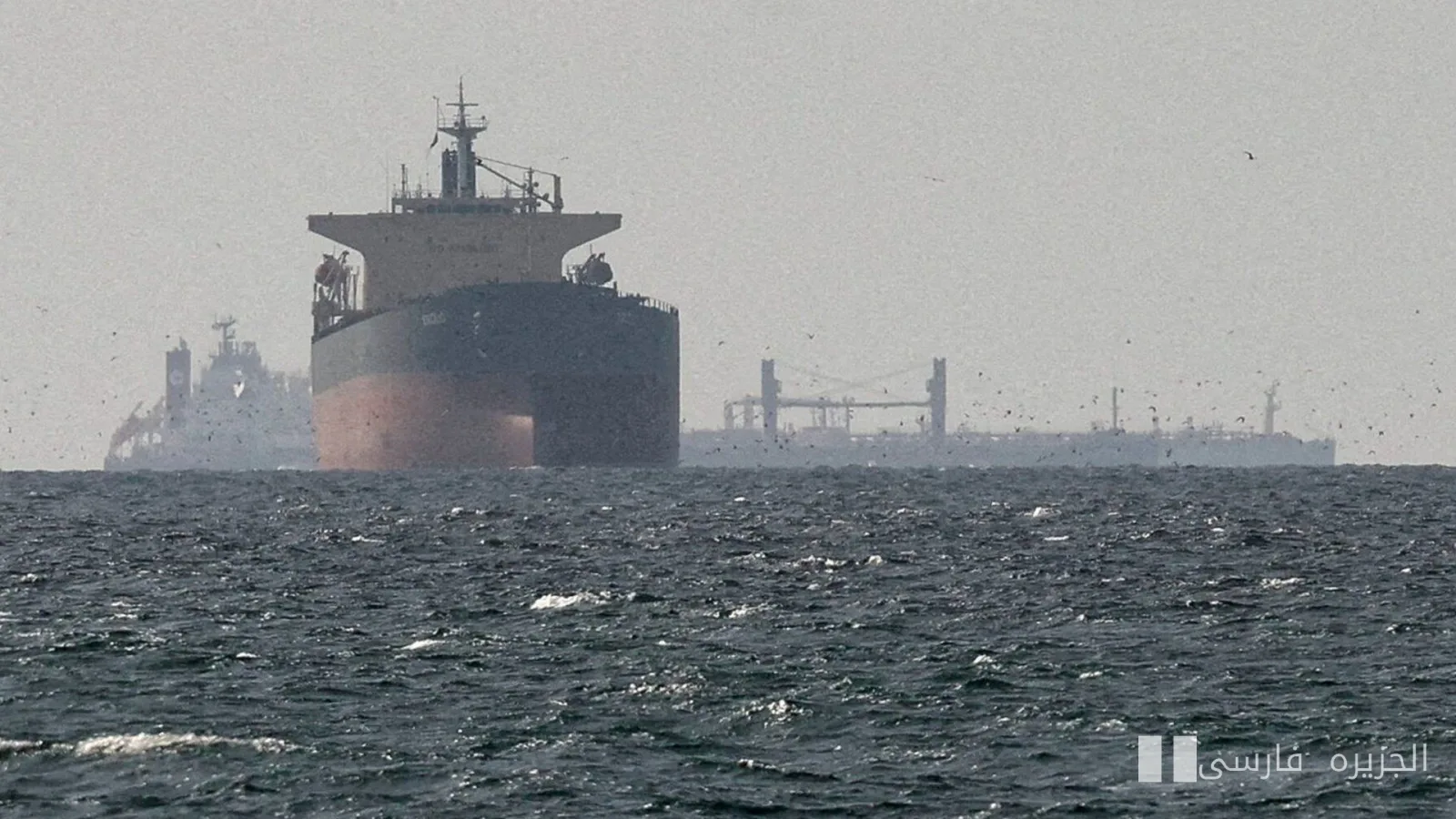
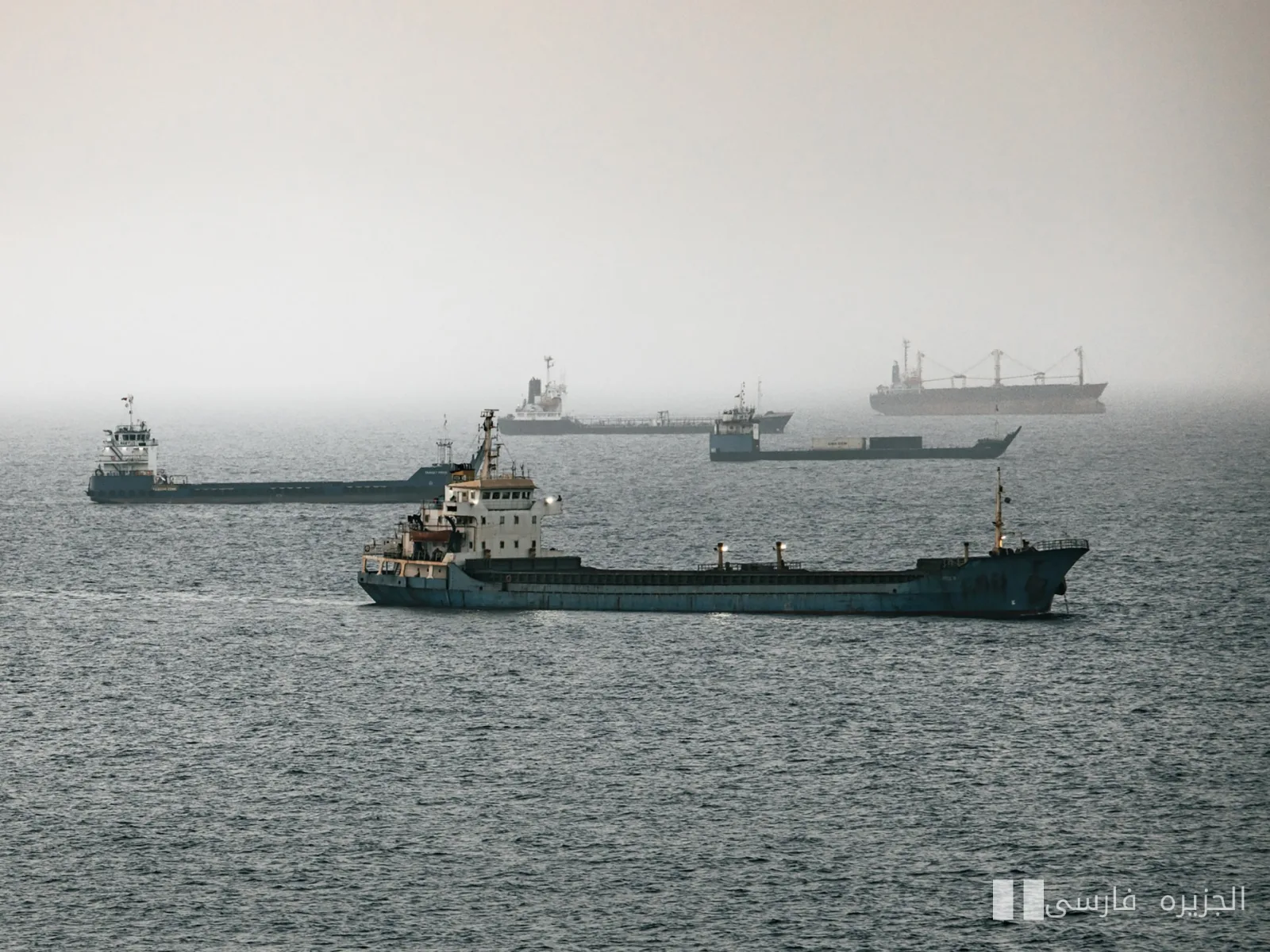
The Strait of Hormuz, one of the world's most important waterways for the transportation of oil and gas, is currently affected by increasing unrest. This situation has put India's economy in a double bind, impacting not only oil shipments but also liquefied natural gas. In this context, New Delhi has been compelled to rethink its import strategy and implement stringent regulations for its large factories.
New Challenges for Energy Supply
Disruption in the Strait of Hormuz has literally sounded the alarm for India's energy security. Given the country's high dependence on oil and gas imports, any disruption in this route can have serious repercussions for economic growth and domestic stability. India's energy supply is heavily influenced by global market fluctuations and political tensions, prompting politicians and economic analysts to seek immediate and effective solutions to address this crisis.
Developing the Supplier Portfolio
In these circumstances, India is compelled to expand its supplier portfolio. For instance, the government is looking to negotiate with other countries to secure energy resources from different parts of the world. These efforts aim to reduce dependence on one or a few specific sources and increase diversity in energy supply. Additionally, emphasis on developing domestic resources and renewable energy has also been considered a long-term solution.
Overall, the current situation in the Strait of Hormuz highlights India's urgent need to reassess its energy supply strategies. The country must take serious actions as soon as possible to diversify its energy sources and reduce reliance on risky routes. Can these changes ensure India's energy security against global fluctuations?