الجزیره فارسی
روایت خاورمیانه
الجزیره فارسی
روایت خاورمیانه 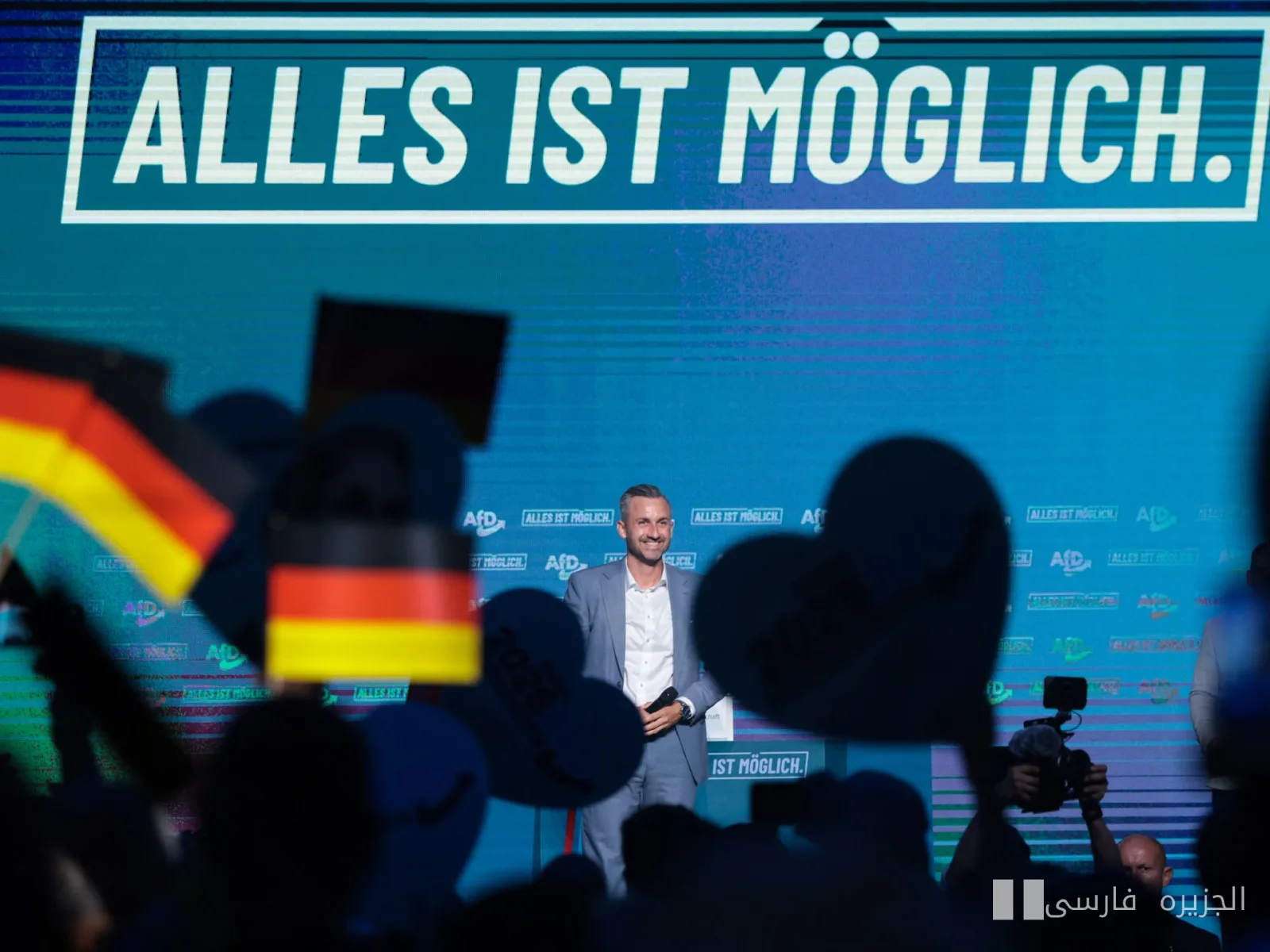
In recent years, right-wing extremist parties in Germany have significantly increased their influence. These changes not only affect domestic policies but can also cast a shadow over Germany's international reputation. In this situation, the mainstream political stream in Germany must confront this trend with vigilance and prudence.
Danger Lurks
The rising popularity of right-wing parties, especially among the youth and lower classes of society, is a sign of public dissatisfaction with the current economic and social situation. These parties try to exploit this dissatisfaction with attractive and demagogic promises, presenting themselves as a legitimate option. Meanwhile, the silence and inactivity of traditional political streams can lead to further victories for these parties.
An Opportunity for Change
Despite these challenges, there is still an opportunity for mainstream parties and politicians to halt the rising trend of extremism with decisive and planned action. Increasing social dialogues, improving economic conditions, and addressing the real demands of the people can help restore public trust and reduce the appeal of extremist parties. Additionally, a better understanding of social and economic issues can serve as an effective strategy against this threat.
Furthermore, it is necessary for media and civil institutions to play an active role in this process. Raising awareness among the public and promoting a culture of tolerance and dialogue can prevent the spread of extremist ideas. Germany, as a country with a rich and diverse history, must learn how to use crises as opportunities for growth and progress.