الجزیره فارسی
روایت خاورمیانه
الجزیره فارسی
روایت خاورمیانه 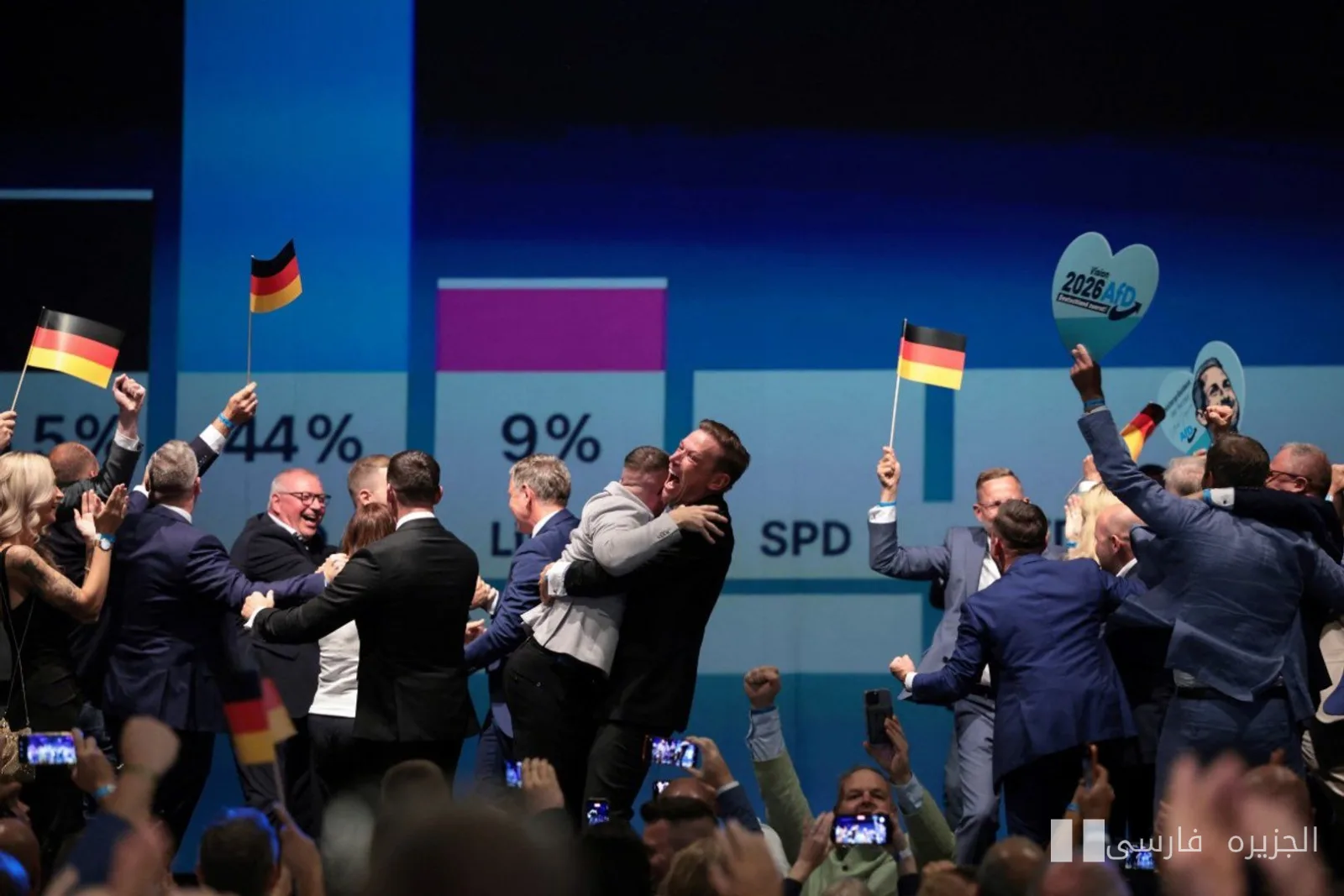
The far-right party "Alternative for Germany" (AfD), anticipating victory in the regional elections in Saxony-Anhalt, is becoming one of the political powers in Germany. This election, regarded as one of the most important political events in the country, could be decisive and open new horizons for German politics.
Concerns about the impacts of AfD's victory
AfD's victory in this election could not only grant the party more credibility but also significantly affect the political and social situation in Germany. Concerns about racism, xenophobia, and extremism are particularly rising among other parties and civil society. If AfD succeeds in forming a government, this action could be considered a turning point in Germany's political history.
This party has long been under pressure from regulatory bodies and the media, but despite this pressure, its popularity is increasing among certain segments of society. This is especially evident in areas facing economic and social problems. In these regions, people are looking for quick and effective solutions, and extremists have managed to attract their attention with promises of fundamental changes, particularly in the areas of immigration and security.
The political future of Germany in the balance of elections
AfD's presence in parliament and the possibility of forming a government could impact not only Germany's domestic policies but also its international relations. With its anti-European Union positions and unconventional foreign policies, this party could steer Germany towards isolation. Meanwhile, other parties must also reassess their strategies to cope with this new situation.
Ultimately, the outcome of this election could become one of the most significant political developments in Germany. Is Germany heading towards extremism, or can it learn from history? The future will soon be revealed.