الجزیره فارسی
پایگاه خبری و تحلیلی
الجزیره فارسی
پایگاه خبری و تحلیلی 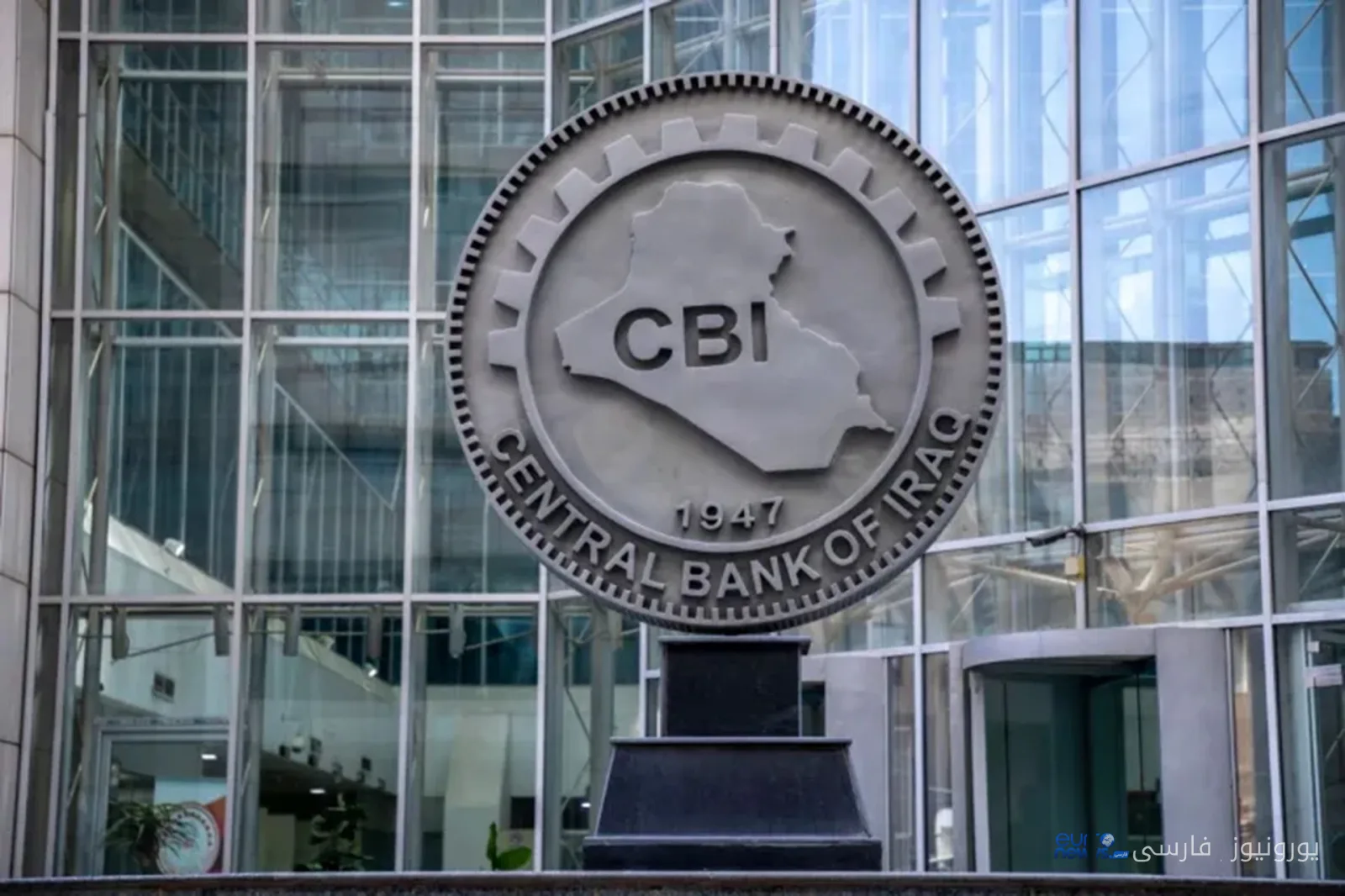
In response to recent concerns about the state of the banking system, the Central Bank of Iraq has explicitly stated that banks are resilient against crises and there are no signs of bankruptcy in this sector. However, the reality behind these statements is the alarming status of ۹۱.۷ percent of the issued liquidity that is outside the banking system.
Challenges of Trust and Banking Limitations
The banking system in Iraq traditionally struggles with numerous challenges. Weak public trust in banks and severe limitations in providing banking services have led many citizens to prefer keeping their assets outside the banking system. This reality not only exacerbates liquidity problems but also weakens the country's economy.
While the Central Bank insists that the banking system is stable, the statistics tell a different story. The lack of public trust in banks and the inability to attract deposits could have irreparable consequences for Iraq's economy. Are these statements merely an attempt to calm the market and maintain public trust?
The Future of Iraq's Banking System
Many analysts believe that serious and deep reforms are needed to improve the state of Iraq's banking system. These reforms should include increasing transparency, improving banking services, and strengthening public trust. Otherwise, this troubling trend may continue, and its consequences could quickly become apparent.
Despite all the challenges, only time will tell whether Iraq's banking system can truly navigate through this crisis or if these statements are just an effort to maintain calm in the market. In any case, the future of Iraq's economy lies in the hands of these banks, and it remains to be seen whether they can regain the trust of citizens.